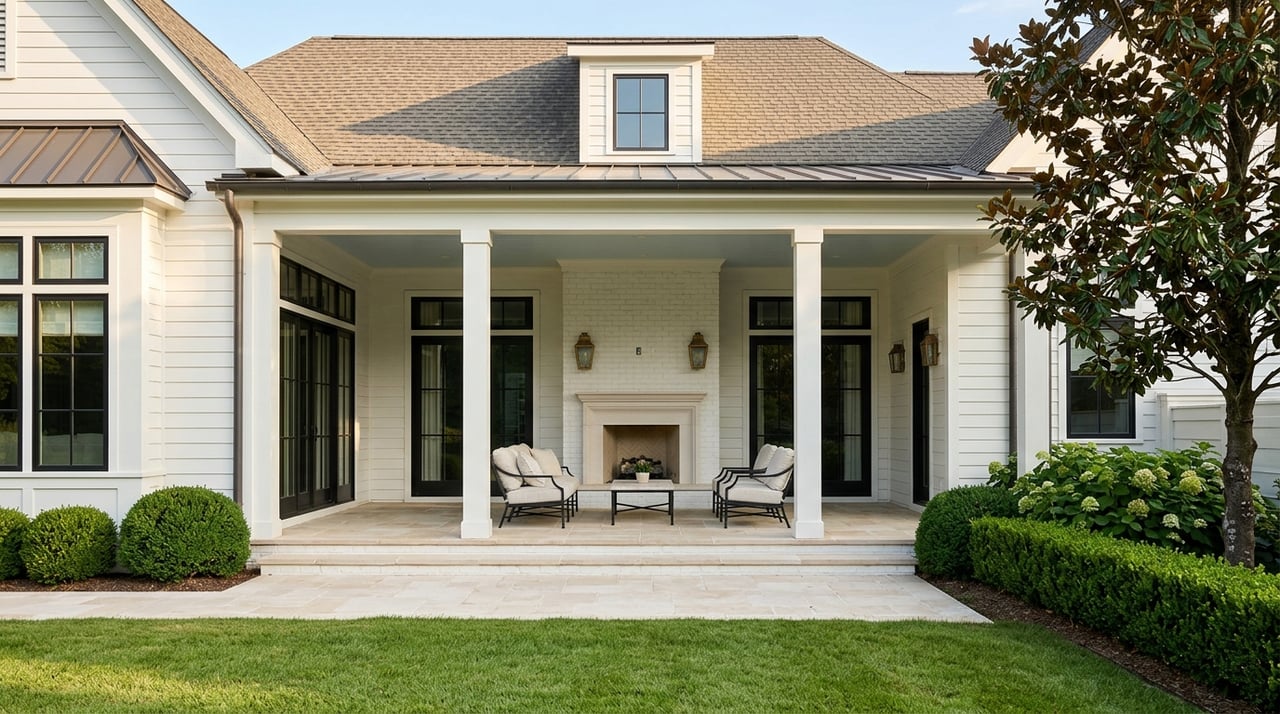
Wondering whether you should build from the ground up in Marvin or buy an existing luxury home instead? In a market where ready-made inventory can be limited and premium homes command premium pricing, that choice can feel exciting and complicated at the same time. If you are weighing control, timeline, and cost in Marvin, this guide will walk you through how the process works and what to verify before you move forward. Let’s dive in.
Why Marvin draws custom-home buyers
Marvin sits in the broader 28173 market, where the median sale price reached $680,028 in March 2026, homes sold in about 81.5 days, and properties averaged around two offers. At the same time, Marvin-specific pricing runs much higher, with Zillow reporting an average home value of $1,251,047 and Redfin showing 33 luxury homes for sale at a median asking price of $1.48 million.
That matters if you are deciding between building and buying. You are not choosing between a custom build and a huge pool of comparable luxury resale homes. You are often comparing a long, detailed building process with a relatively tight set of existing high-end homes that may or may not match your vision.
Building in Marvin starts with the lot
A custom home begins long before construction starts. Before you fall in love with a homesite, you need to confirm whether the lot can support the home you want to build.
In Marvin, that means reviewing zoning, subdivision status, setbacks, utility access, septic feasibility if applicable, and tree-related requirements. The Village of Marvin requires zoning permits for new construction, and depending on the site, you may also run into land development, foundation, lot-grading, tree-removal, or subdivision-related permits.
The key takeaway is simple: not every lot is build-ready just because it is for sale. Early due diligence can save you time, money, and frustration later.
How Marvin and Union County split approvals
One of the most important things to understand is that Marvin and Union County do not handle the same parts of the process. Marvin handles zoning approval, while Union County handles building permits after zoning approval is in place.
The Village of Marvin says zoning permits for new construction typically take about 24 to 48 hours. That is fast, but it is only one step. Union County then becomes part of the path for building permits, inspections, and many construction-related approvals.
What can slow the process down
The biggest delays usually happen before vertical construction begins. If your lot is already fully approved and served, the path can be more straightforward. If it is not, the timeline can stretch.
Subdivision review
If you are splitting land or creating a new homesite, subdivision review can become the longest phase. Union County says a minor subdivision review is typically about one week, while a major subdivision can take several months because it moves through multiple stages before the final plat is recorded.
Until that final plat is recorded, building permits may not be available. For buyers, this is one of the most important timeline questions to ask before signing a contract on land.
Water, sewer, or septic approvals
Utilities can also add time and complexity. For sites that depend on Union County Water, development proposals must complete the county water review process before capacity allocation, and that process can include plan approvals, permits, easements, construction, testing, post-construction review, and final acceptance before meters are requested.
If the homesite will use septic instead of public sewer, Union County Environmental Health requires a soil and site evaluation. Septic permits must be issued, and the Construction Authorization permit is required to install septic components and obtain a building permit.
Site and tree considerations
Marvin’s development ordinance matters on larger or estate-style lots. The ordinance is designed to keep new development enduring and compatible with village character, and it includes standards for setbacks, a 35-foot height limit for detached houses, and a 30 percent maximum building coverage for the primary structure.
Tree protection can also affect planning. Article 11 requires tree-protection plans for applicable development, pre-construction meetings, protective fencing before disturbance, and special protection for rare and specimen trees.
Choosing a builder is also a legal step
In Marvin, builder selection is about more than style and finishes. It is also about licensing, project management, and whether your team can navigate the approval path correctly.
North Carolina requires a general contractor license when the contract value is $40,000 or higher. The state licensing board allows consumers to verify a contractor by license name, number, or county, which makes this a smart early checkpoint.
If you are interviewing builders, ask direct questions about permit sequencing, utility coordination, grading, and site constraints. A polished presentation is great, but the builder also needs a clear plan for how the project gets from raw land to certificate-ready construction.
How construction financing usually works
Financing a custom home is different from financing a resale purchase. Construction loans are typically short-term loans funded in advances as work progresses, rather than one full disbursement at closing.
The Consumer Financial Protection Bureau describes these loans as funded in draws, with payments sometimes starting six to 24 months after origination. Fannie Mae also recognizes both single-closing and two-closing construction-to-permanent loan structures, which means your financing path may vary depending on the lender and project setup.
For buyers, the practical point is this: your loan structure can shape your cash flow, timeline, and closing strategy. It is worth understanding those moving pieces before you commit to a lot and builder.
What happens during construction
Once construction begins, permits and inspections continue to matter. Union County says most load-bearing, plumbing, heating, cooling, or electrical work requires a permit.
The county also requires zoning approval plus either a water and sewer accessibility letter or a well and septic permit or waiver with the application. If project costs exceed $30,000, lien-agent and workers’ compensation information are also required.
Inspections are part of the normal process, and failed inspections must be corrected before a recheck. Union County notes that a second failed reinspection can result in an $80 trip charge, which is another reason strong builder oversight matters.
What custom building really costs
One reason custom homes can feel hard to budget is that costs do not arrive all at once. Instead, they show up in stages across land acquisition, approvals, site work, and construction.
If you are comparing build versus buy in Marvin, break the budget into separate categories:
- Land purchase
- Grading and tree work
- Utility hookups or utility extensions
- Builder fees
- Financing carry costs
- Final landscaping
That approach gives you a clearer picture than focusing only on the base construction price. In Marvin, site conditions and approval requirements can make a major difference in your all-in number.
Buying a luxury resale home in Marvin
There is a reason some buyers choose to skip the custom process. A resale luxury home usually avoids much of the development sequence, which can mean a faster path to closing and occupancy.
That speed has real value in Marvin. Redfin showed 33 luxury homes for sale in Marvin at a median asking price of $1.48 million, while Realtor.com showed 399 active listings across the wider 28173 ZIP. Even with options in the broader area, Marvin-specific luxury inventory remains relatively limited.
The tradeoff is personalization. A resale home may not give you the exact lot orientation, room layout, privacy plan, finishes, or outdoor design you want. It may also come with renovation needs or future systems updates that you will need to budget for after closing.
Build or buy in Marvin?
For most buyers, this decision comes down to control versus speed. Building gives you more influence over the lot, floor plan, architecture, and finish selections, but it also brings approvals, lender draws, inspections, and possible delays or change orders.
Buying an existing home simplifies the process and can get you moved sooner, but it may require compromise. In a market like Marvin, where luxury homes are priced at a premium and inventory is not endless, the right answer often depends on how specific your vision is and how flexible your timeline needs to be.
Smart questions to ask before you commit
Whether you plan to build or buy, clarity upfront makes the process smoother. Before moving ahead on a custom-home opportunity in Marvin, it helps to ask:
- Is the lot fully subdivided and buildable today?
- What zoning approvals are required through Marvin?
- Are water and sewer available, or will septic review be needed?
- Are there tree-protection or grading issues that could affect design?
- Is the builder properly licensed in North Carolina?
- Are any infrastructure approvals or performance guarantees still pending?
- What parts of the timeline depend on county review?
Those answers can quickly tell you whether a property is truly ready for your plans or whether the path will be longer than it first appears.
If you are deciding between a custom build and an existing luxury home in Marvin, having a local advisor who understands both paths can make the decision far less overwhelming. For a thoughtful, high-touch conversation about your options in Marvin and the broader 28173 market, connect with Ashley & Scott Sofsian.
FAQs
How does the custom home permit process work in Marvin, NC?
- Marvin handles zoning permits for new construction, and Union County handles building permits after zoning approval. Depending on the site, you may also need subdivision, grading, tree, utility, or septic-related approvals.
How long does it take to build a custom home in Marvin?
- Zoning approval in Marvin is typically about 24 to 48 hours, but subdivision review, utility approvals, and septic or infrastructure issues can extend the timeline. Minor subdivisions are typically about one week, while major subdivisions may take several months.
Can you build on any lot in Marvin, NC?
- No. You should confirm zoning, subdivision status, setbacks, utility access, septic feasibility if needed, and tree-protection requirements before you buy a lot.
What should buyers verify before hiring a builder in Marvin?
- Buyers should verify the builder’s North Carolina license status, understand the permit path, confirm utility or septic feasibility, and ask whether any infrastructure approvals are still pending.
Is buying a resale home easier than building in Marvin?
- Usually, yes. Buying a resale home can avoid much of the approval and development process, but it may offer less customization and could come with renovation or maintenance needs after closing.
What are the main cost categories for a custom build in Marvin?
- The main categories include land purchase, grading and tree work, utility hookups or extensions, builder fees, financing carry costs, and final landscaping.