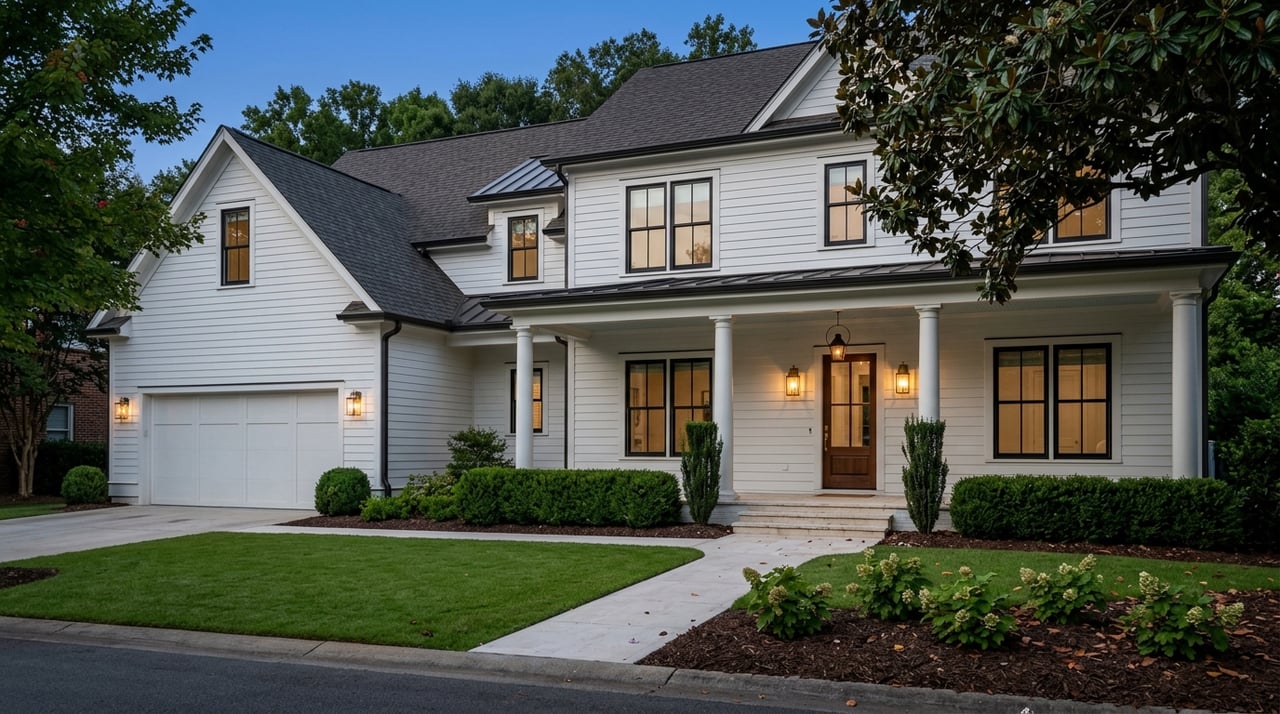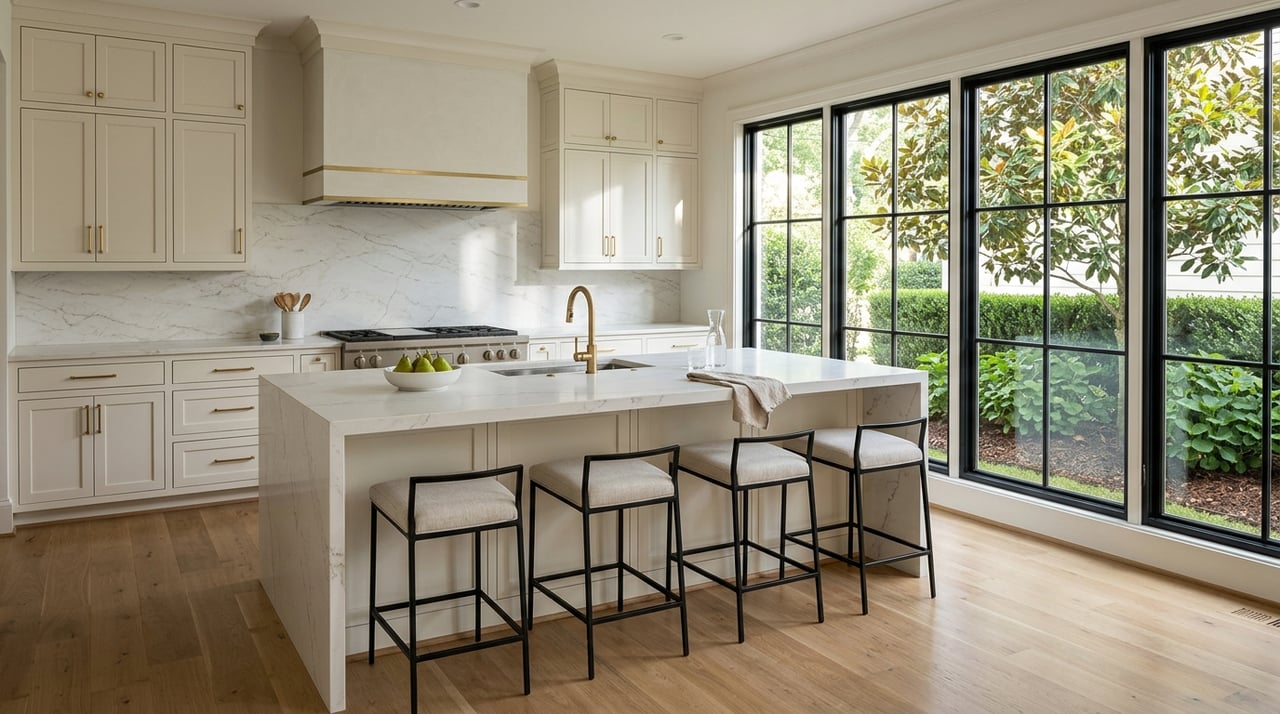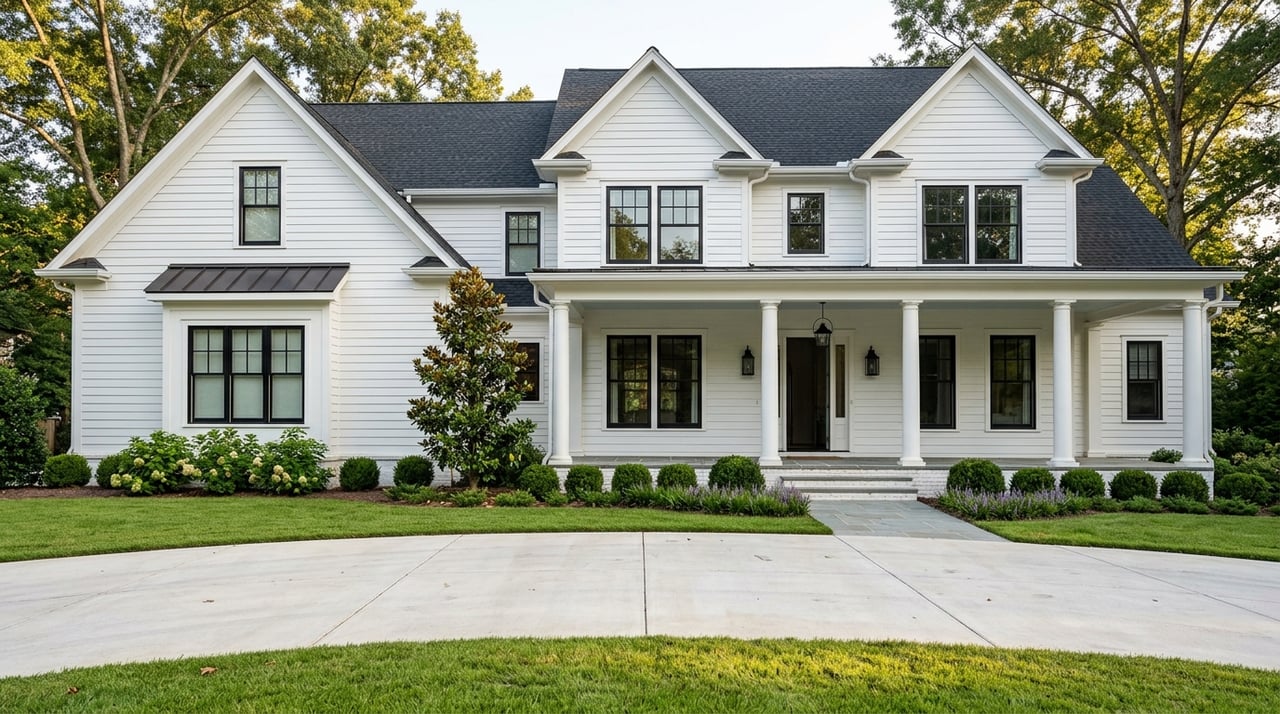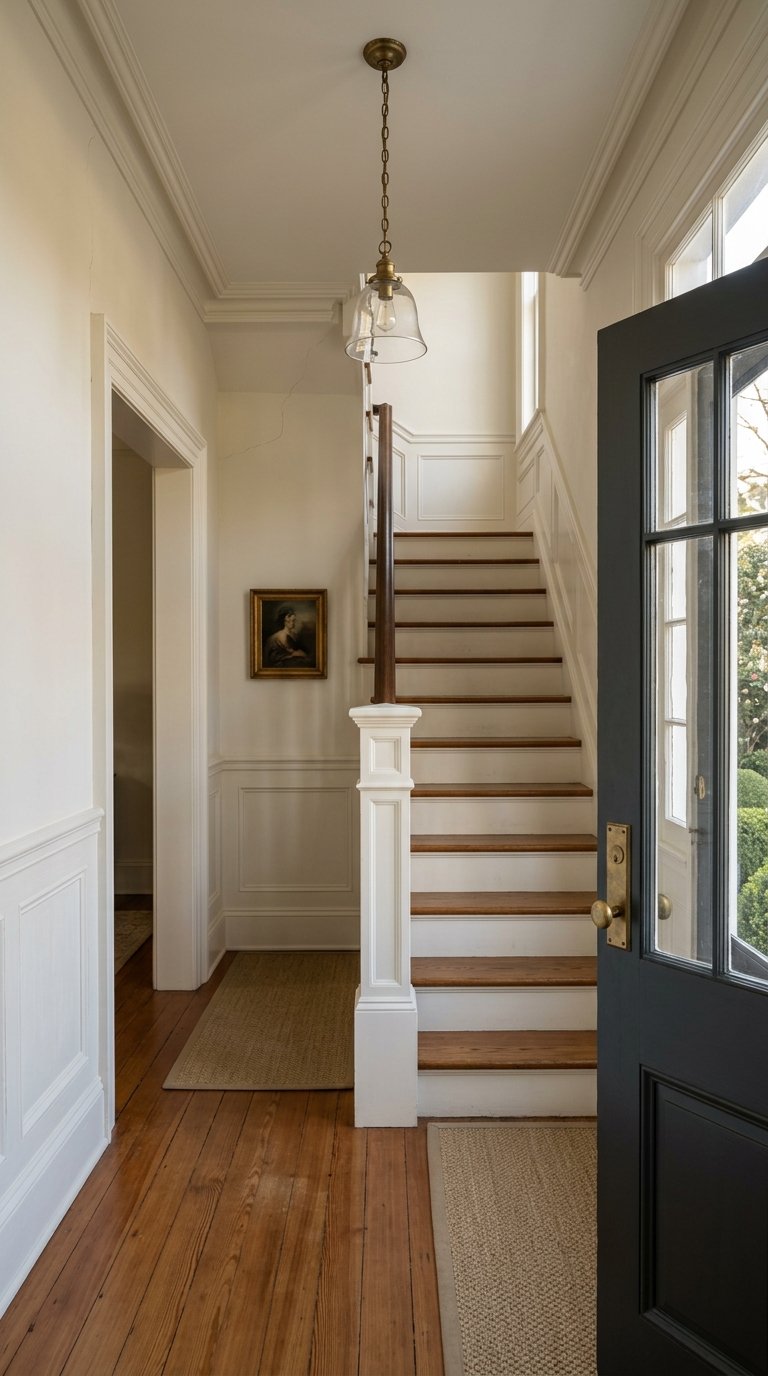
Thinking about buying a historic home in Myers Park? You are not just buying square footage here. You are often buying into a setting shaped by early planning, mature tree canopy, and architecture that gives the neighborhood its distinct identity. If you want charm with substance, this guide will help you understand what to look for, what to verify, and how to plan your next steps with confidence. Let’s dive in.
Why Myers Park Feels Different
Myers Park is not a typical Charlotte neighborhood. It began in 1911 as Charlotte’s premier streetcar suburb, and its original plan emphasized curving streets, broad setbacks, heavy tree planting, and an open front-yard feel without front fences.
That history matters because the surroundings are part of the appeal. In many cases, the character of the street, lot placement, and landscape pattern all contribute to the property’s historic value, not just the house itself.
What Buyers Will Find in Myers Park
Myers Park offers a wide range of early and mid-20th-century homes rather than one uniform style. The neighborhood inventory describes strong representation of Colonial Revival, Bungalow, and Tudor Revival architecture, along with a smaller number of duplexes and early multifamily buildings.
The housing mix also changed over time. Early homes were often wood and stylistically varied, brick became more common in the 1920s, and red-brick two-story Colonial homes became especially prominent from the 1930s through the 1950s. Some later side streets also include Ranch homes, which helps explain why floor plans and renovation histories can vary so much from one address to the next.
For buyers, that variety is important. Two homes on nearby streets may look similar at first glance but come with very different construction details, design eras, and renovation needs.
Historic Status Matters
One of the most important steps is confirming exactly how a property is classified. In Myers Park, not every home is subject to the same historic rules.
Some properties are associated with the National Register context, while areas like Hermitage Court are identified by the City of Charlotte as a local historic district. That distinction can shape what changes are allowed and what approvals may be needed.
National Register vs Local District
A National Register listing by itself does not place federal restrictions on a private homeowner. However, local historic district rules can still apply and often have the biggest impact on future exterior work.
This is why buyers should never assume that “historic” means the same thing from one property to another. Before you make an offer, confirm the parcel’s exact historic overlay using Charlotte’s historic-district resources and maps.
Due Diligence Before You Make an Offer
Historic-home due diligence should go beyond the usual checklist. You still want to evaluate condition, systems, and layout, but you also need to understand how local rules may affect future updates.
If a home is in a Charlotte Local Historic District, the city states that exterior work may require approval from the Historic District Commission before construction begins, even when a separate building permit is not otherwise required. That can affect timing, materials, and the scope of your plans.
Documents to Review Early
Ask for documentation as early as possible so you can make a more informed decision. In a historic-home purchase, paperwork can reveal just as much as the physical inspection.
Key items to review may include:
- Prior approval records for exterior changes
- Permit history
- Seller records for past renovations or repairs
- Notes on window, door, fence, or tree-related work
- Any plans for additions or visible exterior updates you may want after closing
If the seller has already completed exterior work, it is especially helpful to understand what was approved and when. That can give you a clearer picture of how the property has been maintained and modified over time.
Renovation Planning Takes More Thought
Many buyers love Myers Park because of its architectural character, but that same character often comes with a more structured renovation process. Projects that feel straightforward in a non-historic area may require more review here.
Charlotte’s historic-district guidance specifically notes that changes to windows and doors, fencing, and tree removal require approval in a local historic district. Buyers who want to modernize a home should factor that into both budget and timeline from the beginning.
Windows Are a Good Example
Historic windows are one of the clearest examples of how preservation standards can shape decision-making. Charlotte’s Historic District Commission resources include guidance for repairing old windows, and the city’s design standards emphasize repair and retention of historic window materials when feasible.
In practical terms, that means replacement may not always be your first or easiest option. If original windows are part of the home, you may need to evaluate whether they can be repaired, restored, or replaced in a way that aligns with local standards.
Lot Design and Exterior Changes
Myers Park’s original planning placed strong emphasis on a park-like streetscape. Lots were generally under one acre, with setbacks, mature planting patterns, and a visual openness that was part of the neighborhood’s design.
That matters if your long-term vision includes a major addition, a front-yard enclosure, or a very different street-facing look. Buyers should verify whether those ideas fit the property’s status and the surrounding historic character before assuming they will be easy to execute.
Questions to Ask Yourself
Before you move forward, it helps to be honest about how you want to live in the home. A historic property tends to work best when your goals align with the framework that shapes it.
Ask yourself:
- Do you value original character and architectural detail?
- Are you comfortable with added planning for exterior changes?
- Will you want to keep or restore older features where possible?
- Are you prepared for renovation timelines that may be longer than expected?
- Does the existing lot layout support your lifestyle without major front-facing changes?
If the answer is yes to most of these, a historic home in Myers Park may be an excellent fit.
Why Inspection Strategy Matters
A historic home inspection should be thoughtful and specific to the age and character of the property. Older homes often include original materials and details that deserve a closer look, especially if you are deciding between repair, restoration, and replacement.
The goal is not to treat age as a problem. The goal is to understand condition, identify what has been updated over time, and determine how future work may fit both your budget and any applicable local review process.
The Tradeoff: Flexibility vs Character
Buying in Myers Park often comes down to a simple tradeoff. You gain distinctive architecture, established streetscapes, and a sense of place that is hard to replicate, but you may give up some flexibility when it comes to visible exterior changes.
For many buyers, that is a worthwhile exchange. If you appreciate homes with history and are comfortable making decisions within a preservation framework, Myers Park can offer a rewarding ownership experience.
Buying With a Clear Plan
The strongest buyers in Myers Park usually start with clarity. They understand the style of home they want, the level of renovation they are open to, and the approvals they may need if the property falls within a local historic district.
That preparation can help you avoid surprises and make better decisions during the offer process. It also helps you focus on homes that truly match your goals, whether you want a well-preserved residence, a carefully updated property, or a home with room for thoughtful improvement.
If you are considering a historic home in Myers Park, working with an advisor who understands Charlotte neighborhood nuance, property positioning, and the details that shape a high-value purchase can make the process much smoother. When you are ready to talk through your search, connect with Ashley & Scott Sofsian for a tailored, white-glove buying experience.
FAQs
What makes Myers Park historic homes different from other Charlotte homes?
- Myers Park developed as Charlotte’s premier streetcar suburb beginning in 1911, with curving streets, broad setbacks, heavy tree planting, and architecture from the early to mid-20th century that still shapes the neighborhood today.
What types of homes can you expect to find in Myers Park?
- Buyers will typically find Colonial Revival, Bungalow, Tudor Revival, later red-brick Colonial homes, and some Ranch homes, with floor plans and renovation eras varying by street and build period.
Do all historic homes in Myers Park follow the same rules?
- No. Buyers should confirm whether a property is tied to National Register context, located in a local historic district such as Hermitage Court, or subject to other local protections.
What exterior changes may need approval in a Charlotte local historic district?
- According to the City of Charlotte, changes to windows and doors, fencing, and tree removal require approval, and a Certificate of Appropriateness must be obtained before construction begins.
Why is document review important when buying a Myers Park historic home?
- Reviewing prior approvals, permits, and seller renovation records can help you understand what work has been done, whether it was properly documented, and how future changes may be affected.
Is buying a historic home in Myers Park a good fit for every buyer?
- Historic homes tend to be the best fit for buyers who value character and are comfortable planning exterior updates within a preservation-oriented framework.