If you want a Charlotte neighborhood that feels polished, convenient, and connected, SouthPark probably keeps showing up on your list. That makes sense because this area blends upscale shopping, everyday essentials, dining, offices, and housing into one of the city’s most active mixed-use districts. If you are wondering what it is really like to live here, this guide will help you understand the lifestyle, housing options, and day-to-day convenience that define SouthPark. Let’s dive in.
Why SouthPark Stands Out
SouthPark is more than a shopping destination. It is a mixed-use district in the heart of Charlotte, centered on a one-square-mile municipal service district that brings together retail, residential, hospitality, and office space in a compact footprint.
The area sits about 6 miles from Uptown and less than 10 miles from Charlotte-Douglas International Airport. That location gives you practical access to work, travel, dining, and entertainment while still offering a distinct neighborhood feel.
SouthPark also operates at a scale that surprises many first-time visitors. Current district data shows 18 million non-work visits in 2025, average visitor dwell time of 130 minutes, 28,600 employees, and more than $2 billion of new development in the pipeline.
SouthPark Convenience Is the Main Draw
For many buyers, the biggest appeal of SouthPark is simple: convenience. The district offers more than 300 ways to dine, shop, and play within one square mile, creating a lifestyle where many errands and social plans can happen close together.
That convenience is supported by a wide retail base. SouthPark includes nearly a dozen shopping centers, including SouthPark Mall, Phillips Place, Piedmont Town Center, Sharon Square, Apex SouthPark, Morrison, Morrocroft Village, Sharon Corners, Specialty Shops SouthPark, and Terraces at SouthPark.
SouthPark Mall remains a major anchor, with more than 150 stores, while the district overall offers more than 400 shops, restaurants, and service providers. One-third are locally owned, which helps balance national brands with more local character.
Everyday Living Feels Easy Here
SouthPark is not only about luxury retail. It also supports the routines that shape everyday life, from coffee runs and lunch meetings to dinner out and weekend browsing.
Dining options span casual to upscale, and the district highlights more than a dozen cafes, patisseries, and specialty tea shops. That range matters because it means SouthPark can work for both special occasions and regular weekly habits.
This is one reason the area feels more livable than a typical shopping corridor. Instead of driving from one destination to the next across a wide suburban landscape, you can often cluster plans in one area and keep your day moving.
Walkability in SouthPark
Walkable, but still evolving
A common question is whether SouthPark is truly walkable. The honest answer is yes, especially within the commercial core, but it is still a work in progress.
SouthPark Community Partners describes the district as evolving into a more urban, walkable, mixed-use, compact place. Current catalyst projects include the SouthPark Loop, TowneBank Symphony Park, SouthPark Skipper microtransit, and Cameron Valley Pocket Park.
The broader city goal is to improve walking, biking, and transit access and create a park-once environment. That means the district is intentionally moving toward a more connected public realm rather than staying a purely car-oriented destination.
The SouthPark Loop matters
The SouthPark Loop is one of the most important projects shaping the neighborhood experience. It is a roughly 3-mile multiuse path designed to connect pedestrians and bicyclists to neighborhoods, shops, restaurants, hotels, and parks.
As of April 2026, two miles were complete and the final mile was in design and real estate acquisition. For buyers, that signals real progress while also setting realistic expectations that the area is still improving its pedestrian network.
Transit is available
SouthPark is not rail-centered in the same way as Uptown, but public transit is part of the picture. The SouthPark Community Transit Center under SouthPark Mall includes a climate-controlled waiting area and serves routes 19, 28, 30, and 57.
Nearby Tyvola Station on the Blue Line also has Route 60 service. In practical terms, many residents still rely on driving and parking for daily trips, but transit options are there for certain commutes and connections.
Housing Options in SouthPark
A mix of home styles
SouthPark is not defined by a single housing type. City planning documents describe it as a regional activity center surrounded by neighborhoods, with the core transitioning from a more suburban pattern to a more urban one.
That shift includes taller buildings, more compact development, and parking decks replacing surface lots. At the same time, nearby neighborhoods remain primarily single-family detached.
For you as a buyer, this means SouthPark can offer several ways to live. Your ideal fit depends on how close you want to be to the commercial core and how much maintenance, space, and privacy you prefer.
Condos and townhomes near the core
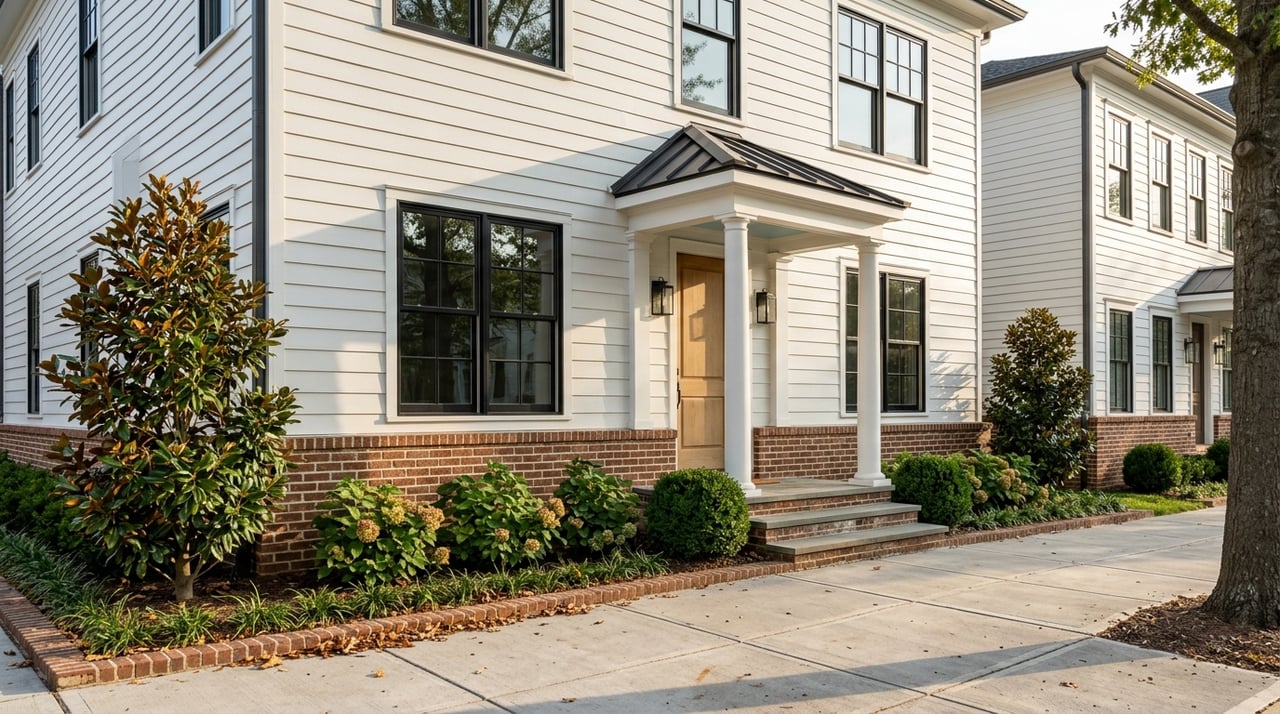
Closer to the action, you are more likely to find townhomes, condominiums, apartments, and other mixed-use residential options. Piedmont Town Center, for example, includes 179 private condos, and several mixed-use nodes combine residential living with retail nearby.
This setup appeals to buyers who want lock-and-leave convenience, easier maintenance, and immediate access to dining, shopping, and services. It can also be a strong fit if you want a more urban feel without moving into Charlotte’s center-city environment.
Detached homes in surrounding areas
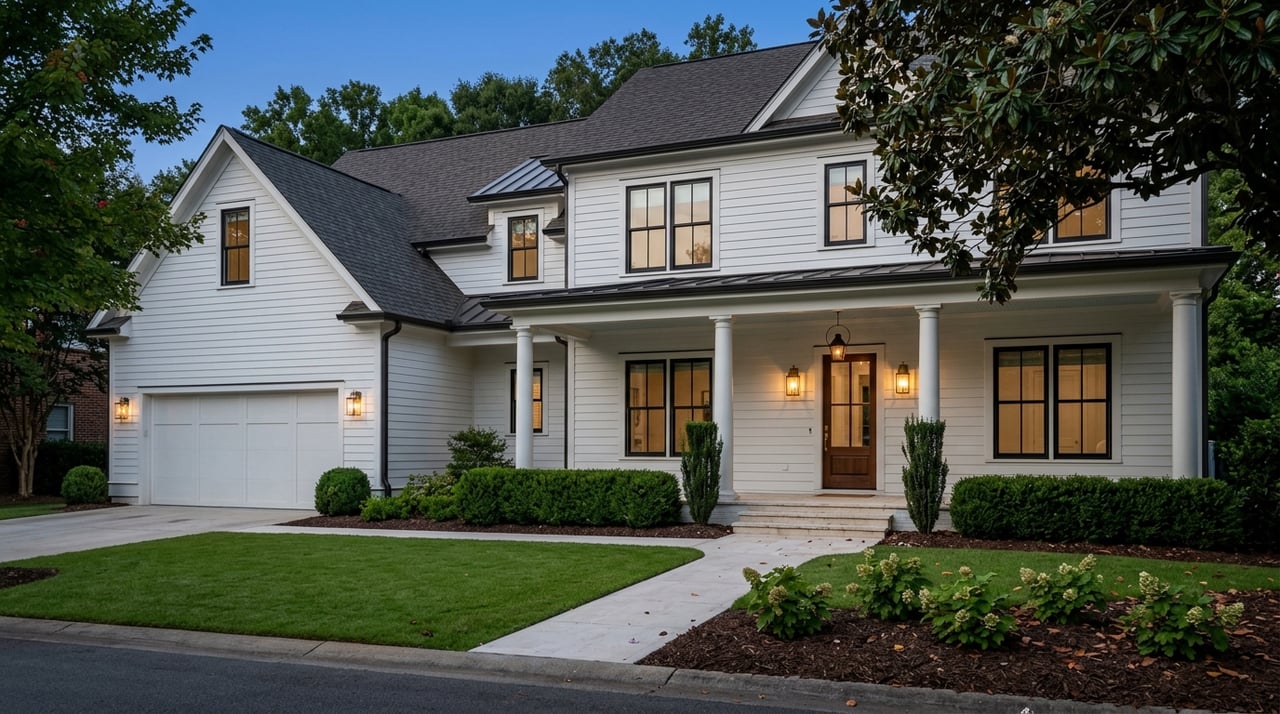
Around the commercial core, nearby neighborhoods are more likely to include detached homes. That creates an appealing contrast within the broader SouthPark area because you can enjoy access to the district’s amenities while living in a more traditional residential setting.
For move-up buyers, this mix can be especially attractive. You may be able to balance space and privacy with close proximity to one of Charlotte’s most established lifestyle districts.
How SouthPark Feels Compared With Uptown and Ballantyne
If you are choosing between Charlotte submarkets, SouthPark often lands in the middle in the best way. It offers more of a luxury retail-and-residential neighborhood feel than Uptown, with less center-city density and a less transit-oriented character.
Compared with Ballantyne, SouthPark feels more established, more compact, and more organized around a dense shopping core. That difference can matter if you want a polished mixed-use environment where amenities are clustered tightly together.
In short, SouthPark can be a smart match if you want urban convenience without going fully urban. It offers a lifestyle that feels active and elevated, but still practical for day-to-day living.
Who SouthPark Often Fits Best
SouthPark can appeal to a wide range of buyers, but a few lifestyle priorities tend to stand out:
- You want shopping, dining, and services close together
- You value a polished, mixed-use environment
- You prefer condo, townhome, or low-maintenance living near amenities
- You want access to detached homes near a strong commercial district
- You like being relatively close to Uptown and the airport
- You want a neighborhood that continues to invest in walkability and public space
If that sounds like your wish list, SouthPark is worth a closer look.
What to Keep in Mind Before You Move
SouthPark offers real convenience, but it helps to go in with clear expectations. The area is active, busy, and highly visited, so it often feels more energetic than a quiet residential enclave.
It is also becoming more walkable, but many daily trips still involve driving. That balance is part of SouthPark’s identity today: a compact, evolving district that blends suburban ease with a more urban direction.
For many buyers, that is exactly the sweet spot. You get access to amenities, housing variety, and a highly recognized Charlotte location without taking on the density or pace of the city’s core.
If you are exploring SouthPark as your next move, the right guidance can help you narrow down whether you want to be in the center of the action or in one of the surrounding residential pockets. When you are ready for a tailored, high-touch approach to your move, connect with Ashley & Scott Sofsian for expert guidance in South Charlotte.
FAQs
Is SouthPark in Charlotte walkable for daily living?
- SouthPark is walkable in parts of the commercial core, and the district is improving pedestrian access through projects like the roughly 3-mile SouthPark Loop, but many daily trips still rely on driving and parking.
What types of homes are common in SouthPark, Charlotte?
- SouthPark includes a mix of condos, townhomes, apartments, and mixed-use residences near the core, with detached homes more common in the surrounding neighborhoods.
How close is SouthPark to Uptown Charlotte and the airport?
- SouthPark is about 6 miles from Uptown Charlotte and less than 10 miles from Charlotte-Douglas International Airport.
What makes SouthPark different from Uptown Charlotte?
- SouthPark offers a more luxury retail-and-residential neighborhood feel with less center-city density and less rail-oriented transit than Uptown.
Why do buyers choose SouthPark in Charlotte?
- Many buyers choose SouthPark for its convenience, housing variety, established mixed-use environment, and easy access to shopping, dining, services, and other parts of Charlotte.