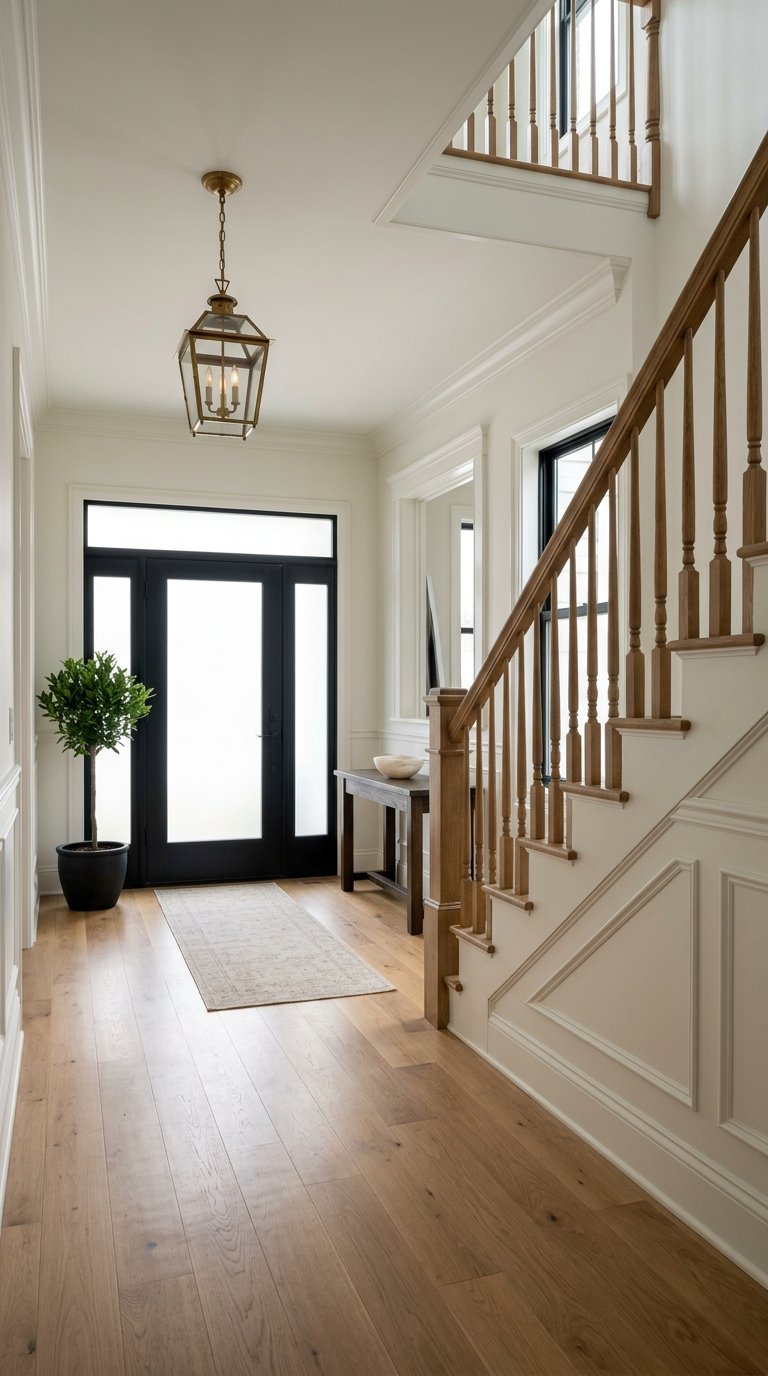
Are you wondering how much to update before you sell a character-filled Myers Park home? In this neighborhood, buyers often notice original details just as quickly as they notice deferred maintenance. If you want to protect value without stripping away what makes your home special, a preservation-first plan can help you focus on the right work, avoid costly missteps, and prepare your home to compete well. Let’s dive in.
Why Myers Park calls for a careful approach
Myers Park is not a one-size-fits-all market. Charlotte’s National Register inventory describes it as an early suburban landscape shaped by John Nolen and later Earle Sumner Draper, with much of its housing built in the 1910s and 1920s and later homes through 1959 still contributing to the district’s historic character.
That context matters when you sell. Buyers in Myers Park are often responding to the neighborhood’s curving streets, mature tree canopy, traditional architecture, and the visible period features that make one home feel distinct from another.
It also helps explain why a generic pre-listing renovation plan can miss the mark. In a premium but competitive market, preserving character while presenting the home at its best is often more effective than trying to make it look brand new.
Verify historic designation first
Before you schedule exterior work, confirm your property’s actual designation. Charlotte notes that Myers Park includes address-specific historic considerations, including local historic district areas such as Hermitage Court, so preservation rules may vary from one property to the next.
If your parcel is in a local historic district, the city says a Certificate of Appropriateness may be required before exterior work begins. That can include exterior alterations, restoration, new construction, demolition, moving structures, and some landscaping or site work.
Charlotte also notes that some normal repair and maintenance work, such as in-kind re-roofing or planting flowers, generally does not require approval. Even so, staff consultation before exterior work starts is the smart first step.
Why this step protects your sale
This is not just a paperwork issue. It helps you avoid spending money on work that may not fit local standards or may create delays right before your home hits the market.
It also shapes your prep strategy early. Once you know whether your property has local historic review, you can make smarter decisions about repairs, timeline, and marketing.
Prioritize repairs over replacement
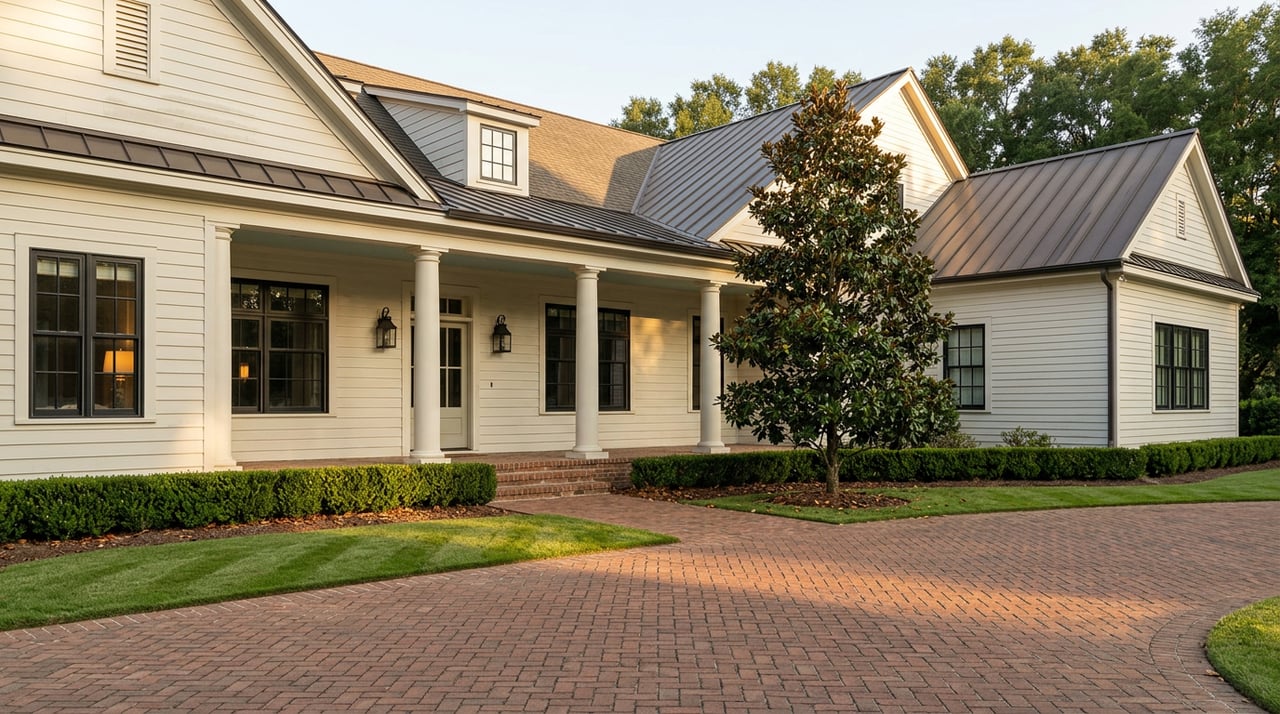
For many Myers Park homes, the strongest selling strategy is selective improvement, not wholesale modernization. Charlotte’s design standards favor retaining and preserving character-defining features, especially visible elements that shape how the home reads from the street.
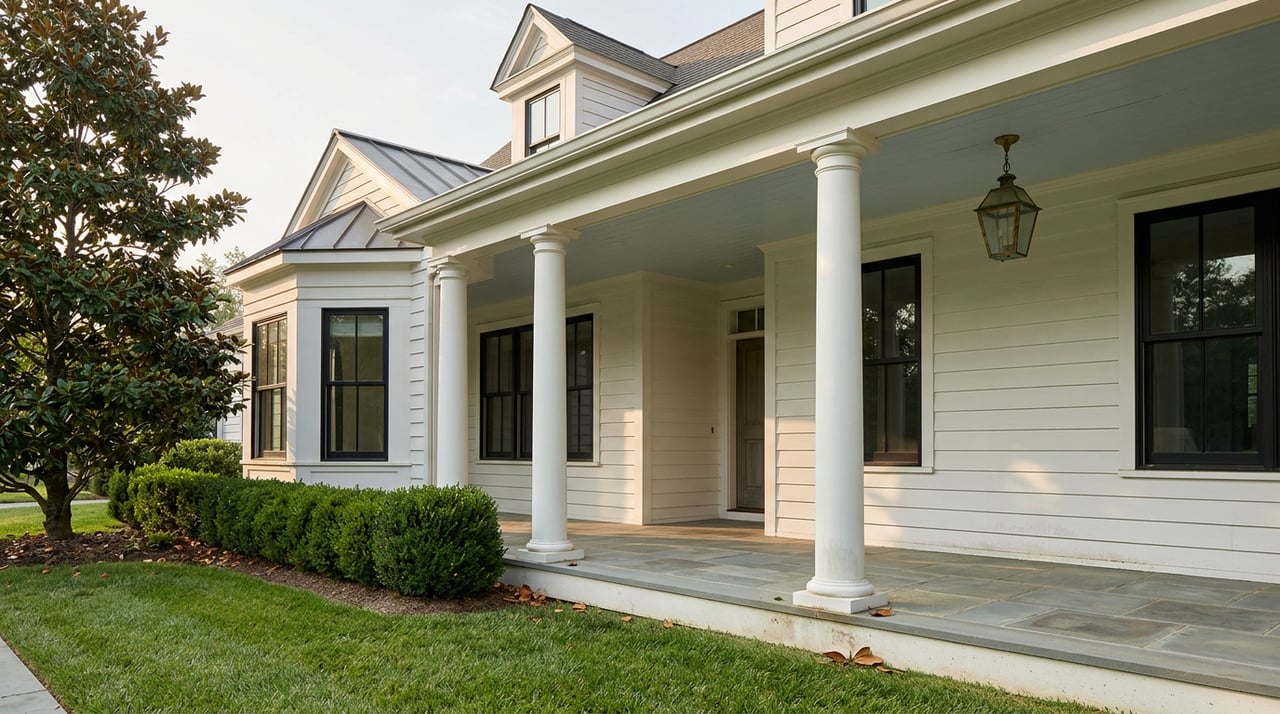
That includes historic windows, porches, and primary elevations. The standards support repairing original windows when possible, retaining porches that are important to the district’s character, and avoiding changes that alter the home’s original street-facing expression.
If something must be replaced, the city’s standards say the new feature should match the old in design, color, texture, and, where possible, material. For sellers, that means your best return often comes from making the home cleaner, safer, and more polished without erasing its original proportions or details.
Features worth protecting
When you walk through your home before listing, pay special attention to features that help tell its story, such as:
- Original or historic-style windows
- Front porches and porch details
- Entry doors and staircases
- Trim and millwork
- Room proportions and sightlines
- Street-facing architectural details
These are often the elements that give a Myers Park home its emotional pull. When they are well maintained and easy to see, they can strengthen both photography and in-person showings.
Focus updates where buyers notice them most
Not every improvement carries the same weight. In a character home, visible condition and presentation often matter more than over-improving spaces in ways that fight the architecture.
A practical pre-listing plan usually starts with repairs that reduce distraction. Think peeling paint, worn finishes, damaged porch elements, deferred maintenance, or exterior details that make buyers wonder what else has been overlooked.
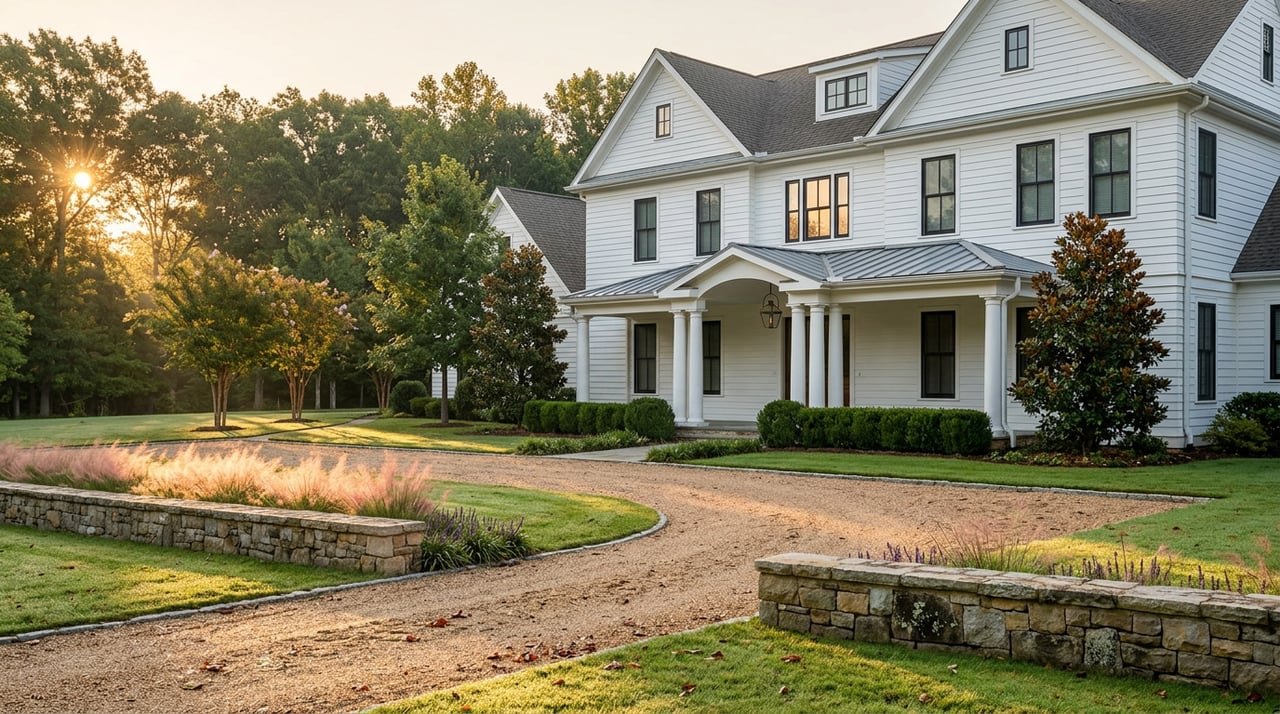
Then shift to cosmetic improvements that sharpen first impressions. NAR’s consumer guidance notes that sellers often improve curb appeal with landscaping, the front entrance, and paint, and those updates can be especially effective for a historic home because they enhance appearance without changing the home’s identity.
Smart pre-listing priorities
In many Myers Park sales, these steps make sense:
- Repair visible damage before replacing original features
- Refresh paint where needed, especially at the entry and porch
- Tidy landscaping and improve curb appeal
- Clean windows and maximize natural light
- Address safety or function issues that could concern buyers
- Avoid unnecessary exterior changes before confirming city requirements
The goal is not to make your home look generic. The goal is to make its best architectural features read clearly and confidently.
Stage the architecture, not just the rooms
Staging can be especially helpful in a premium market where buyers are evaluating feeling, flow, and presentation along with square footage. NAR reports that about 80% of buyer’s agents believe staging helps clients visualize a home, and about one-third of agents think staging can increase value by 1% to 10% compared with similar unstaged homes.
In Myers Park, staging works best when it supports the architecture instead of competing with it. A restrained approach usually helps buyers notice the windows, front entry, porches, staircases, trim, and room proportions that give the house its charm.
That often means less furniture, better scale, and less visual clutter. When rooms feel open and balanced, buyers can appreciate the home itself rather than getting distracted by oversized pieces or too many decorative layers.
Staging tips for character homes
Try to keep the focus on the home’s original strengths:
- Use furniture that fits the scale of the room
- Clear surfaces to reduce visual noise
- Highlight natural light and key architectural lines
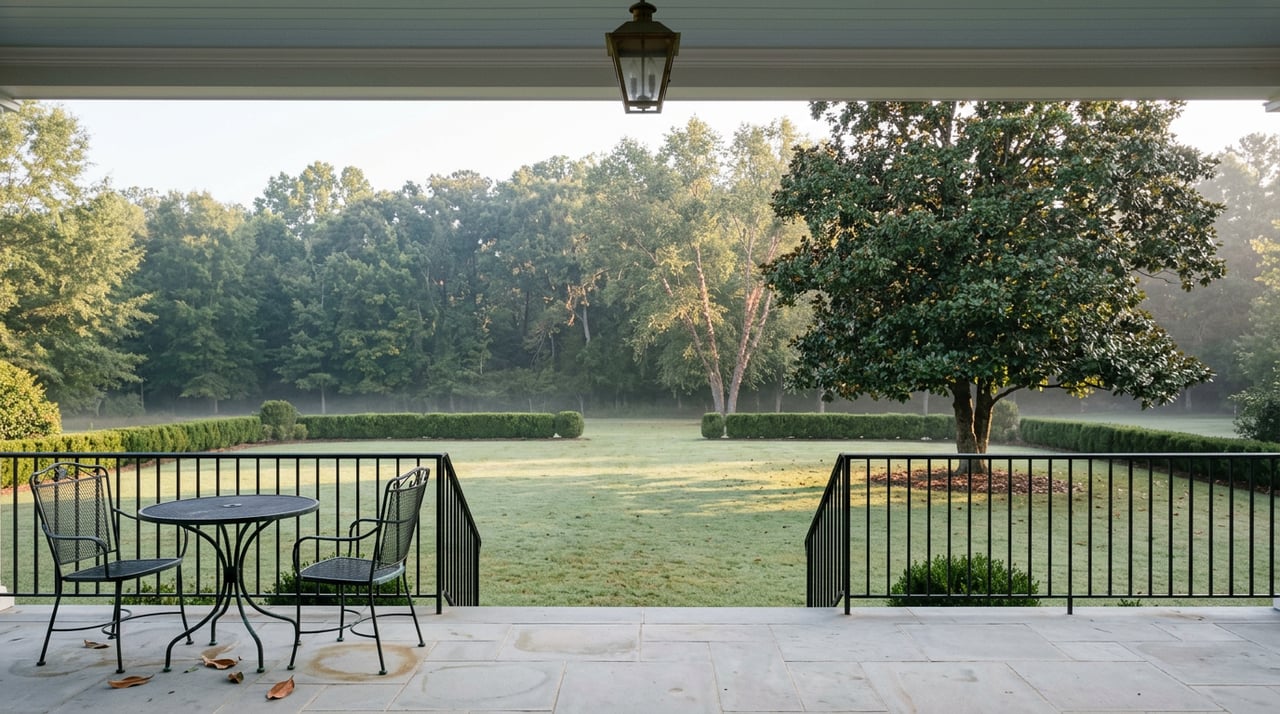
- Keep porches clean, simple, and inviting
- Let millwork, windows, and entries stay visible in photos
This style of presentation tends to photograph well and feels consistent with what many buyers hope to find in Myers Park: a home with history that still feels polished and livable.
Inspect early to reduce surprises
Older homes can surface more questions during due diligence, even when they have been lovingly maintained. A pre-sale inspection is not required, but NAR notes that it can identify issues before showings begin and help sellers think through repairs and pricing.
That can be especially useful in Myers Park, where older housing stock may bring up concerns related to structure, roof, plumbing, electrical, HVAC, or environmental issues such as mold, radon gas, lead paint, or asbestos. Not every item will require action, but early information gives you choices.
You do not have to fix every issue an inspection finds. The benefit is knowing which items are likely to affect buyer confidence, create negotiation pressure, or increase the risk of a canceled contract.
What early inspection knowledge can do
A pre-listing inspection can help you:
- Handle repairs on your own timeline
- Decide which issues are worth correcting before listing
- Avoid last-minute surprises under contract
- Support more confident pricing
- Prepare for buyer questions with better information
For a premium listing, that kind of preparation can help the sale feel more controlled and less reactive.
Disclose accurately under North Carolina law
North Carolina law requires sellers to provide the Residential Property Disclosure Statement by the time a buyer makes an offer. Chapter 47E says the form must address known conditions involving items such as the roof, chimneys, floors, foundation, plumbing, electrical systems, heating and cooling systems, insect damage, zoning and covenants, and environmental hazards.
If a material inaccuracy comes up after disclosure, the owner must promptly correct it. The North Carolina Real Estate Commission also warns that sellers can face civil liability for knowingly withholding or misrepresenting latent defects that a buyer could not reasonably discover.
For that reason, early prep is not just about presentation. It is also about gathering accurate information so you can disclose cleanly and move forward with more confidence.
Price by street and condition, not by aspiration
Myers Park supports strong prices, but buyers still compare condition, location, and presentation closely. Recent market snapshots in the research report point to a premium market, with Redfin reporting a March 2026 median sale price of $1,487,500 and 30 median days on market, while Realtor.com reports 95 homes for sale, a median list price of $1.96 million, a median price per square foot of $583, and 30 days on market.
Those figures are not identical measures, but together they tell a useful story. Myers Park can command high prices, yet homes still benefit from realistic positioning based on recent comparable sales and actual property condition.
The National Register inventory also notes that lot sizes and original price points varied by street. That is an important reminder that pricing should be block-specific and house-specific, not based on a neighborhood average alone.
What supports a stronger list price
The most defensible pricing strategy is usually tied to:
- Recent comparable sales on similar streets
- Lot characteristics and setting
- The home’s current condition
- The quality of preserved period features
- How well the home has been prepared and presented
In other words, charm helps, but charm alone does not set value. Buyers tend to pay the strongest prices when character is paired with thoughtful preparation.
A polished sale starts with the right plan
If you own a Myers Park home with character, your prep plan should protect what makes it special while removing the friction that can weaken offers. That usually means checking designation first, repairing before replacing, staging to highlight architecture, inspecting early, disclosing carefully, and pricing from real market evidence.
When you take that approach, your home can feel both authentic and market-ready. That balance is often what helps a standout property sell well in a neighborhood where details matter.
If you are thinking about selling and want a tailored plan for your home, Ashley & Scott Sofsian can help you prepare, position, and present your property with the thoughtful, high-touch guidance a Myers Park listing deserves.
FAQs
Do Myers Park sellers need historic approval before exterior work?
- If your property is in a Charlotte local historic district, a Certificate of Appropriateness may be required before certain exterior work begins. Charlotte says sellers should confirm the property’s designation and consult staff before starting exterior changes.
What repairs matter most when selling a Myers Park character home?
- The most important repairs are usually the ones that improve visible condition, safety, and buyer confidence while preserving original features like windows, porches, trim, and other street-facing architectural details.
Should you replace old windows before listing a Myers Park home?
- Not automatically. Charlotte’s design standards favor retaining and repairing historic windows when possible, so sellers should consider repair first and verify any exterior work requirements before making changes.
Is staging worth it for a Myers Park home sale?
- Staging can be helpful because it helps buyers visualize living in the home and can improve presentation. In Myers Park, the best staging usually highlights architecture and room flow rather than overpowering the home with heavy furnishings.
Should sellers get a pre-listing inspection for an older Myers Park house?
- A pre-listing inspection is optional, but it can help identify issues early, reduce surprises during due diligence, and give you more control over repair decisions and pricing.
What disclosures do North Carolina sellers provide when selling a Myers Park home?
- North Carolina sellers must provide the Residential Property Disclosure Statement by the time a buyer makes an offer, covering known conditions such as roof, foundation, plumbing, electrical, HVAC, environmental hazards, and other material property details.