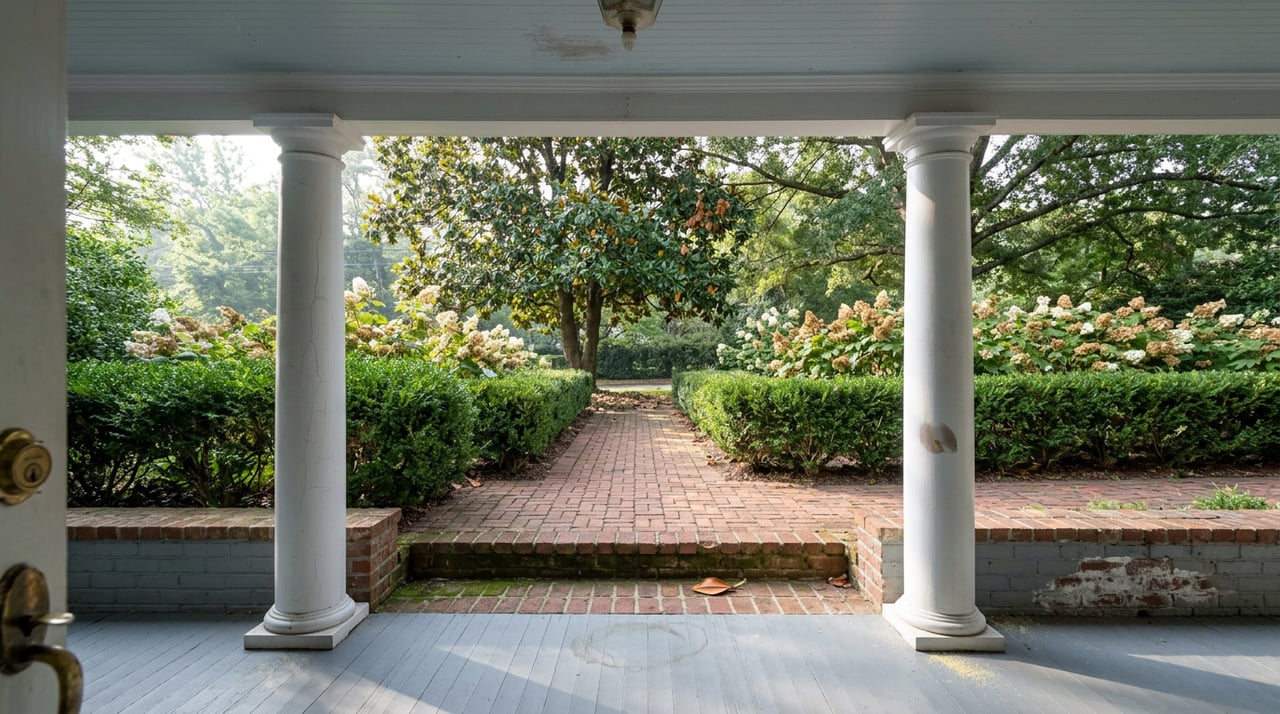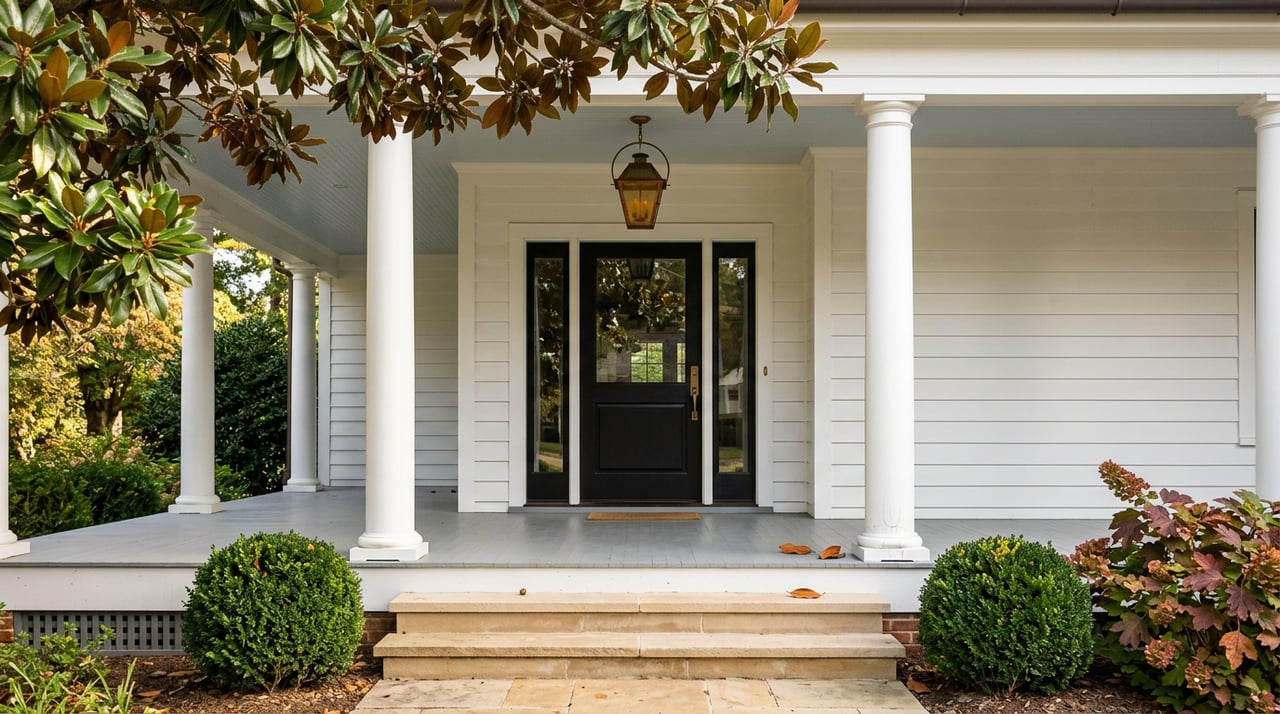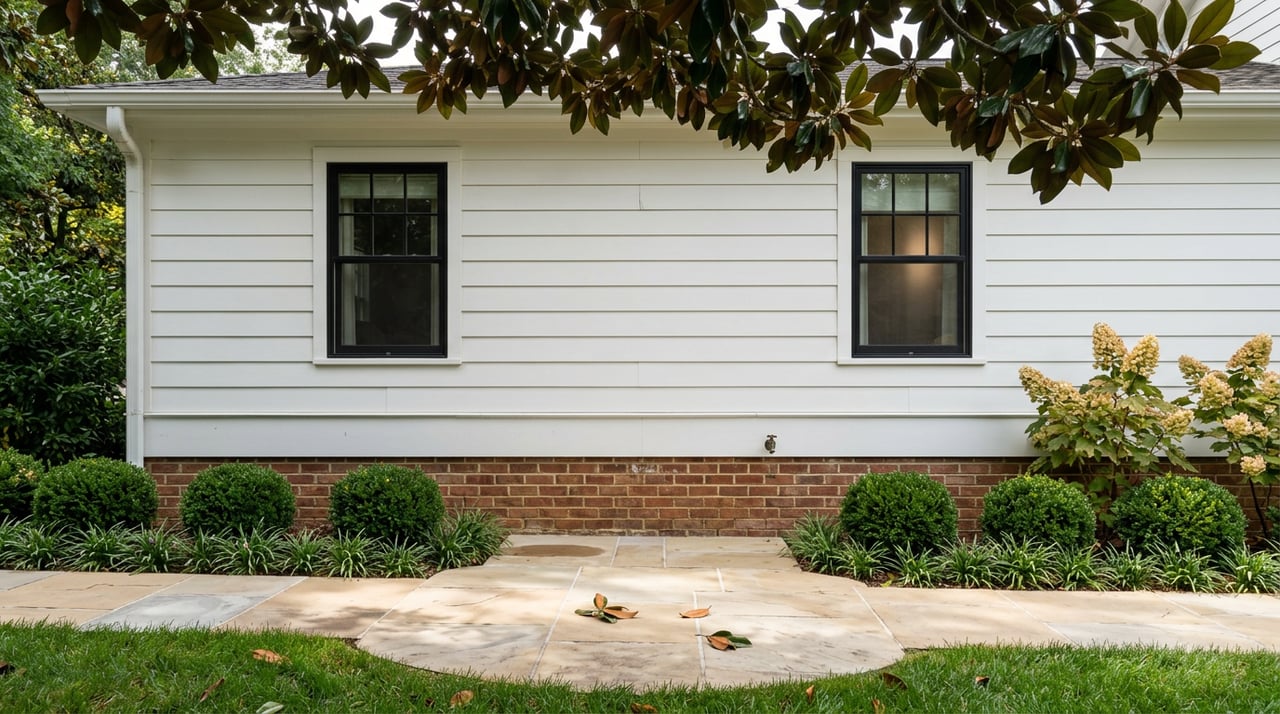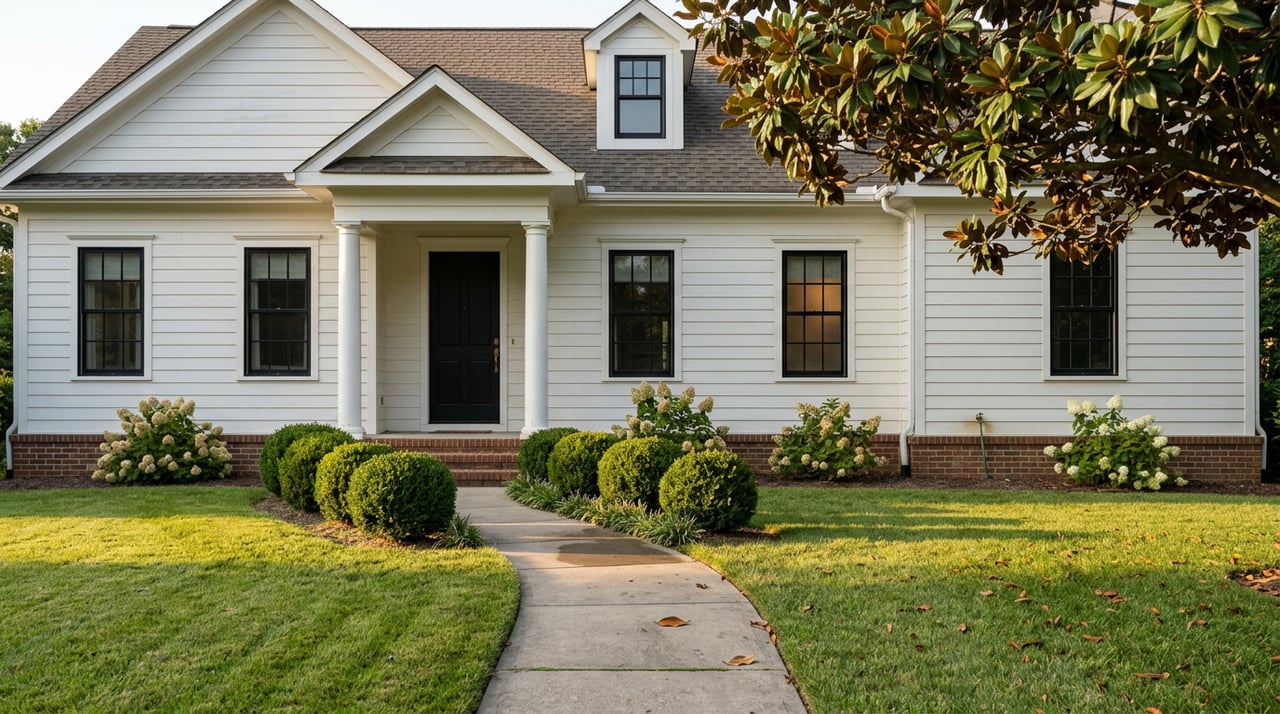
"It's worth $30,000 on a house."
That's how one Fort Mill town councilman explained a new school impact fee to his colleagues in the spring of 2025, right before the council voted 4-3 to approve it. The fee applies to every new single-family home built inside the Fort Mill School District, and it does not touch a single resale listing. If you're comparing a new build to an existing home in this market and looking only at the price on the sign, you're comparing two different math problems that happen to land on the same number.
The fee that doesn't show up on the sign
Starting July 1, 2025, new single-family homes built within the Fort Mill School District, which stretches into parts of Tega Cay and unincorporated York County, carry a $29,640 impact fee tacked onto construction costs before a building permit is even issued. New multifamily units, including townhomes, carry a $20,796 fee per unit. The York County government's own impact fee page lists both figures plainly, and the vote to raise them wasn't quiet. Assistant Superintendent Leanne Lordo told the county council that impact fees have generated more than $73 million for the district since 2018, enough to fund a new elementary school with no bonded debt attached. That's the trade the fee is designed to make: builders and, by extension, new-home buyers underwrite the classrooms that the district's growth demands, so the district doesn't have to ask voters for a referendum every few years.
The fee doesn't apply evenly across every kind of transaction. Fort Mill's own ordinance exempts remodels, additions, temporary structures, neighborhood amenities like pools and clubhouses, and school buildings themselves. It also doesn't apply to resale homes at all, because the fee is charged when a building permit is issued, not when a deed changes hands. A five-year-old home that already exists carries none of this cost, no matter how many times it resells. Only the first permit pays.
This isn't a small-town quirk. South Carolina Public Radio's reporting on the vote noted the fee puts Fort Mill on par with some of California's highest-cost markets, a comparison that lands differently once you consider how fast the town has grown, from under 12,000 residents in 2010 to more than 36,000 today. The council paired the fee increase with a temporary moratorium on new residential rezoning that summer, giving planners room to finish a comprehensive plan for how the town grows through 2045.
Same price tag, different math
Here's where it matters for you. If a new build in Fort Mill lists at $520,000 and a comparable resale three streets over lists at $515,000, the sticker prices look close enough to treat as interchangeable. They aren't. The new build's price already has to absorb that $29,640 fee somewhere in the builder's margin, on top of the lot premium, the design-center upgrades most buyers add during the build, and the cost of finishing a yard that starts as graded dirt and grass seed. The resale home, by contrast, typically comes with an established lawn, working blinds, and sometimes appliances already in place, none of which show up as a separate line item because they were never missing in the first place.
Here's how the two paths tend to differ once you price the whole package instead of just the base number:
| Cost factor | New construction | Resale |
|---|---|---|
| School impact fee | $29,640 per single-family home, built into the builder's pricing | None |
| Landscaping and yard | Often bare dirt or seed at closing | Established lawn and beds |
| Window coverings and fixtures | Usually a buyer add-on | Frequently already included |
| Contract-to-closing timeline | Typically 7 to 12 months | Typically 30 to 45 days |
| Seller disclosure statement | Not required for an initial sale of new construction | Required under South Carolina law |
| Typical financing | Construction-to-permanent loan, with rate locks sometimes extending to 360 days | Standard mortgage, rate locked closer to closing |
None of this means new construction is a bad deal. It means the deal is structured differently, and the only way to compare it fairly to a resale is to add up everything a builder's base price doesn't include, then set that total next to what a resale actually delivers on day one.
The paperwork difference nobody mentions
There's a second gap between these two transactions that has nothing to do with cost and everything to do with what you're allowed to know before you sign. South Carolina's Residential Property Condition Disclosure Act requires sellers of most one-to-four-unit homes to hand buyers a written disclosure statement describing known defects before a contract is signed. That statute has a carve-out for the initial sale of a newly built home, according to attorneys who track the law. There's no prior owner to disclose a leaky roof or a cracked slab, so the form simply doesn't apply. A resale buyer gets a seller's written account of the home's history. A new-construction buyer gets a builder's warranty instead, which covers different things on a different timeline. Neither approach is wrong, but they answer different questions, and conflating them is how buyers end up surprised later.
What new construction still buys you
None of this is an argument against building new in Fort Mill. A construction-to-permanent loan lets you lock in financing before the home even exists, and some lenders now offer rate locks that stretch up to 360 days, a real hedge if you're worried about where rates go over a build that can run the better part of a year. You also get to make the selections yourself, from cabinet finishes to flooring, inside a design center rather than inheriting someone else's choices. And a brand-new envelope, insulation, and mechanical systems typically outperform a home built even a decade ago on energy efficiency, which shows up in the utility bill long after the impact fee is a memory.
The point isn't that one path wins. It's that the two paths cost money in different places, and a buyer who only compares the number on the sign is missing where the rest of it lands.
Reading the map before you compare line items
Fort Mill isn't one new-construction market. In 2026, genuine new-home activity is concentrated in the final phases at Massey and along the Dobys Bridge Road corridor, both on the eastern side of town. Massey leans into resort-style amenities, a clubhouse and lazy river among them, with HOA dues running close to $96 a month. Baxter Village, by contrast, is essentially built out. Homes there went up mostly between 1999 and 2014 from builders including David Weekley Homes and Saussy Burbank, and it functions today as an established, walkable resale market centered on Market Street, not a new-construction pipeline. Springfield and Regent Park sit in the same category, mature neighborhoods with settled HOAs rather than active build sites. Brayden and Waterside at the Catawba fall in between, built roughly 2015 to 2022, new enough to feel current but old enough that you're buying an existing home, not a build contract.
The HOA gap between these neighborhoods is its own version of the same lesson. A Regent Park townhome can run $260 to $360 a month in dues, while a Massey lot with a full clubhouse package runs closer to $96. That's a real difference in your monthly payment that has nothing to do with the sale price and everything to do with what a community is set up to maintain.
Where the market sits right now
Across the trackers reporting on Fort Mill in spring 2026, median sale prices clustered between roughly $490,000 and $530,000, with most monthly readings landing closer to $500,000. That's a market that has cooled from its pandemic-era pace without falling apart. Homes are taking a bit longer to sell than they did a year earlier, and price reductions have become more common than they were twelve months ago. For a buyer, that shift matters most on the new-construction side, where builders facing softer urgency sometimes have more room to negotiate on lot premiums or design-center credits than they did when every phase sold out in a weekend.
A few questions worth asking before you sign anything
Does the impact fee apply only inside Fort Mill's town limits?
No. It applies across the Fort Mill School District boundary, which extends into parts of Tega Cay and unincorporated York County, not just the incorporated town of Fort Mill.
Will I see the fee as its own line item at closing?
Not usually. Builders pay the fee when they pull the permit and fold it into their overall pricing, the same way they fold in lot costs. You're paying for it, just not as a separate charge you'd notice on a settlement statement.
If I buy a home that was newly built after July 2025 but is now reselling, do I get a disclosure statement?
Yes. Once a home has had an owner and is being resold, South Carolina's disclosure law applies normally, even if the home is only a year or two old. The exemption covers the very first sale of a newly constructed home, not every sale after.
If you're weighing a new build against a resale anywhere in Fort Mill, the honest comparison takes more than a glance at two list prices. Ashley & Scott Sofsian can walk the full math with you, fee, timeline, and finish-out costs included, so you know exactly what each path actually costs before you commit to one. Schedule your consultation and let's price the whole package together.