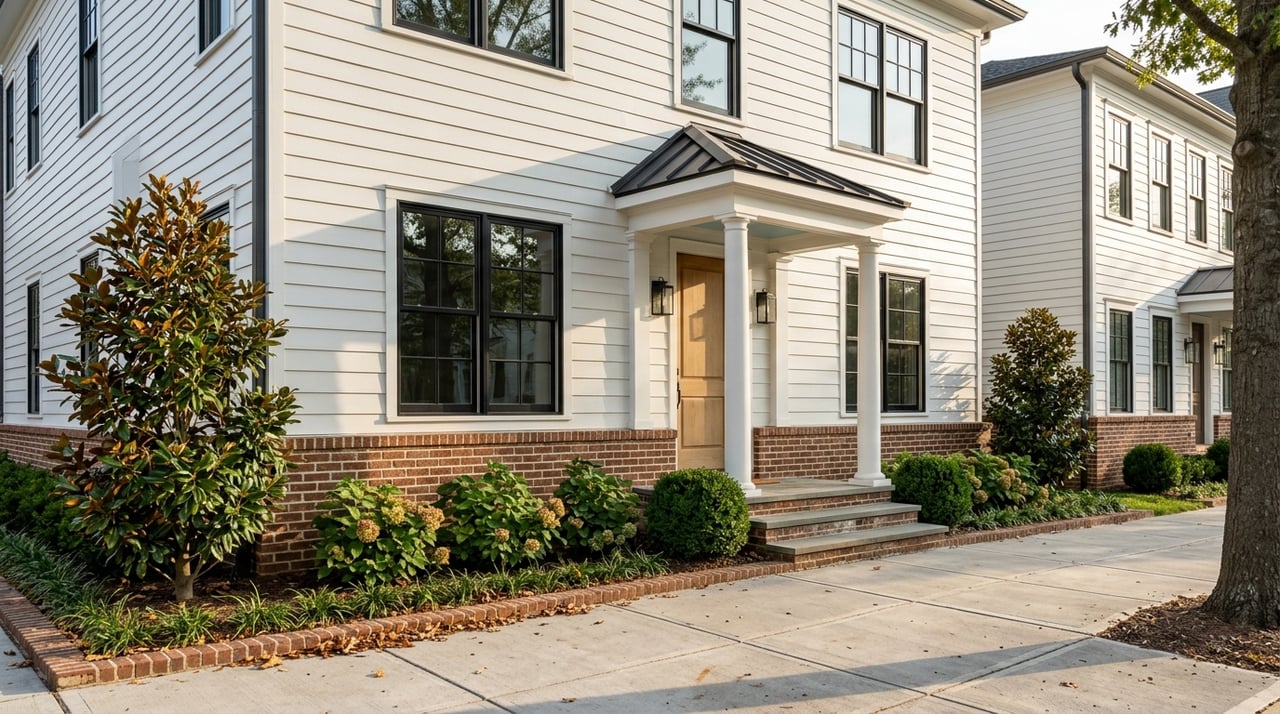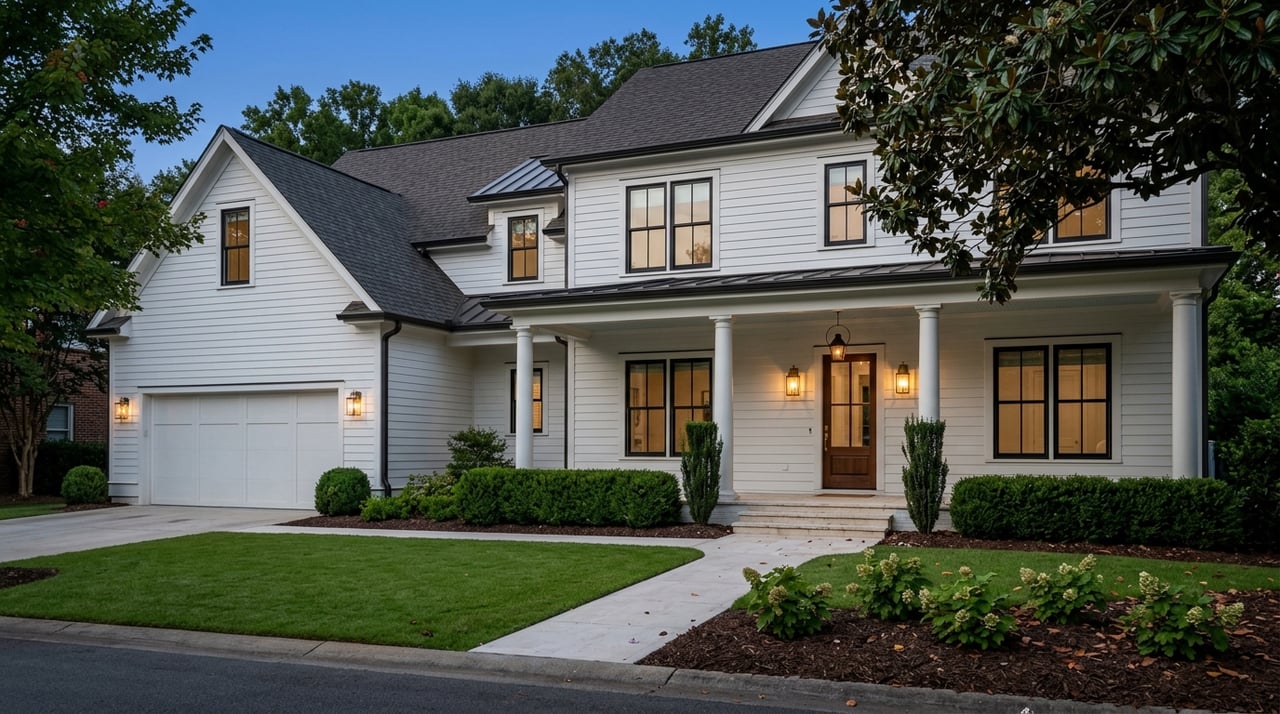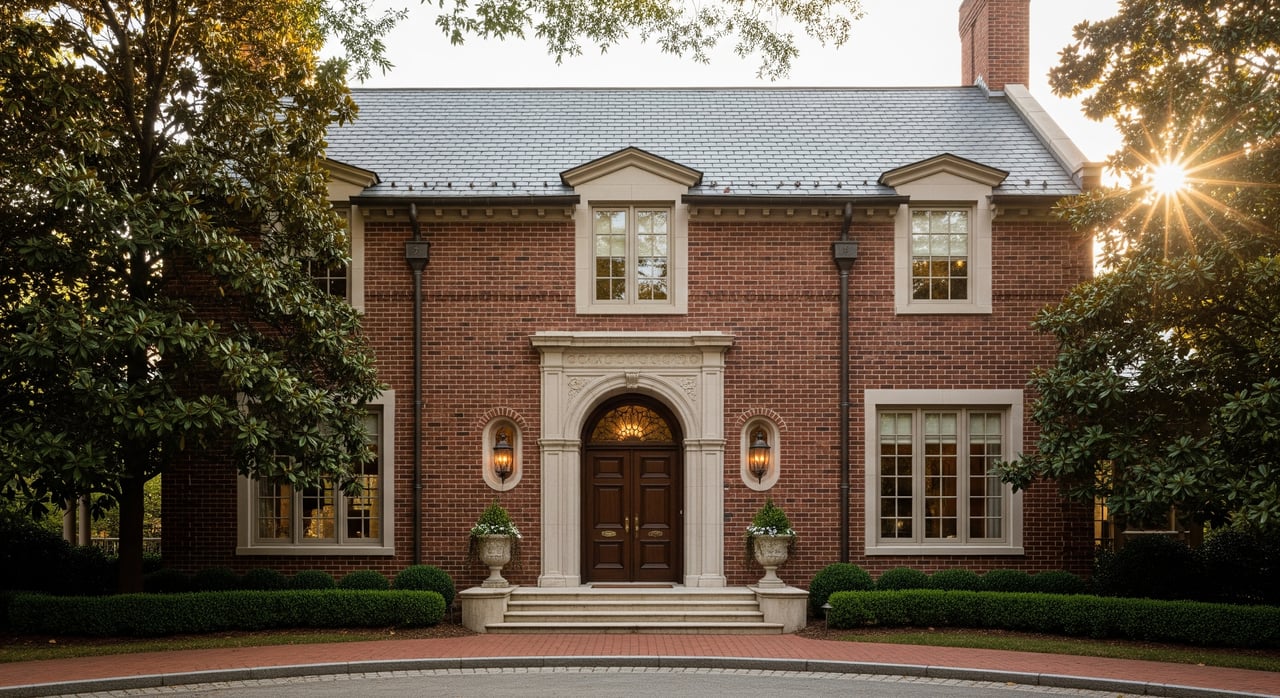
What makes a Myers Park home unforgettable? It’s the first step onto a slate path under a canopy of old-growth trees, the curve of an arched doorway, and the glow from original millwork that has warmed families for generations. If you’re drawn to the character of this storied Charlotte neighborhood, you’re not alone. Buyers here love authentic details, but they also want comfort, safety, and strong resale. In this guide, you’ll learn which historic features stand out, what they mean for maintenance and value, and how to balance character with modern living. Let’s dive in.
Why Myers Park stands out
Myers Park grew as a planned, park-like suburb in the early 20th century. You see it in the winding boulevards, large lots, and mature tree canopy that frames the streets. Architecture spans Colonial Revival, Tudor Revival, Georgian Revival, Craftsman, and touches of Mediterranean and French Eclectic. Those styles explain the hallmarks buyers prize today: detailed millwork, archways, slate or clay roofs, gracious porches, and elegant staircases.
Preservation-minded culture is part of the fabric here. Local commissions, neighborhood guidelines, and engaged homeowners support retaining original character. If a home is in a designated historic district or is a landmark property, exterior changes may require review and approval. It pays to understand these expectations before you plan projects or submit offers.
Historic features buyers love
Original millwork and staircases
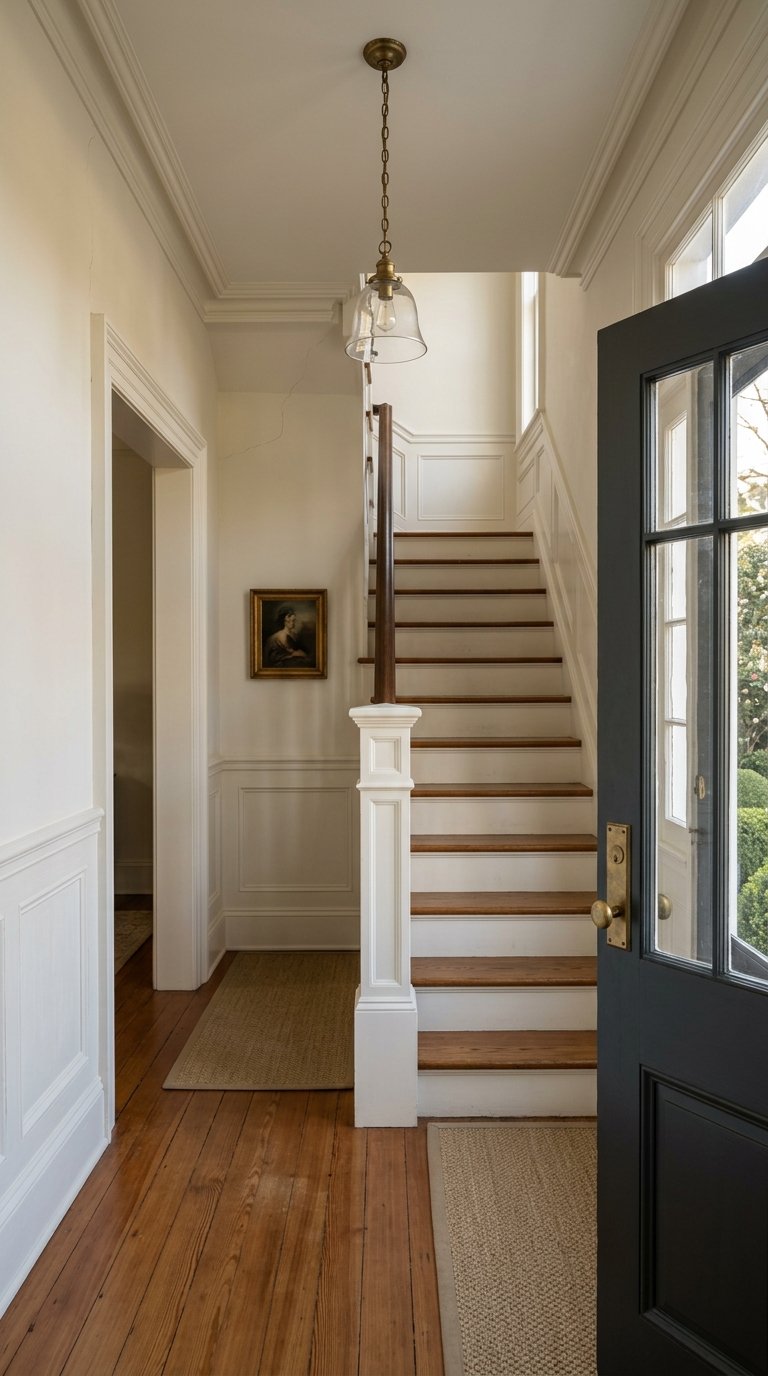
Crown moldings, wainscoting, paneled doors, built-in bookcases, and beautifully turned newel posts signal quality that’s hard to replicate. These pieces are often repairable and refinishable, which helps preserve value. Skilled carpentry might be needed for repairs, but replacing them with modern trim typically reduces historic appeal. If you are selling, highlight and document any careful restoration work.
Hardwood floors
Many Myers Park homes still have original hardwood floors, including quarter-sawn oak or pine. Refinishing is often more cost-effective than replacement and restores rich color and pattern. Be prepared for hidden issues to surface when you pull up old coverings, like squeaks or localized rot. Those findings are common in older homes and can be addressed.
Slate roofs
Slate shows up often on Tudor and Georgian homes and can last for many decades when properly maintained. Specialty roofers handle inspections and repairs, and while work can be more expensive per square than asphalt shingles, longevity is a major selling point. Expect attention to flashing and underlayment for modern performance. Sellers should keep records of any slate maintenance or partial replacements.
Original windows and decorative glass
Historic wood sash, stained glass, and leaded or canted glass define a home’s face. Repairs and weatherstripping often preserve both function and character long term, especially when paired with storm windows or interior storms. Full replacement needs careful selection to match profiles and maintain integrity, and many historic districts regulate window changes. Buyers value operable, well-maintained original windows.
Plaster walls and archways
Plaster adds depth and texture you can feel, and arched openings are signature design moments. Repairing plaster is a specialist’s job but keeps the look authentic. Archways are costly to recreate if removed, so preserving them is usually the smart move. When updating, plan lighting and paint to showcase these details.
Masonry chimneys and porches
Brick foundations, chimneys, and porches offer curb appeal and a sense of permanence. Over time, mortar can deteriorate and let in moisture, so tuckpointing and proper water management are key. Gutters, grading, and sound flashing protect foundations and interior finishes. Regular inspection prevents small issues from becoming structural problems.
Carriage houses and detached garages
Older accessory structures add flexibility for guest space, offices, or storage. Their condition affects value and usability. Adaptive reuse is popular, but check zoning and any historic guidelines before you plan changes. Sound roofs, safe electrical, and dry interiors make these spaces shine.
Mature tree canopy and landscape elements
The tree canopy and generous lots are part of what buyers expect in Myers Park. Mature trees elevate curb appeal but bring responsibilities like pruning, root monitoring, and drainage planning. Historic landscape walls, brick curbs, and similar streetscape elements contribute to neighborhood character. Protecting them supports both aesthetics and resale.
What to inspect first
A standard home inspection is a start, but older homes usually require more targeted looks. Consider these focus areas:
- Structural and foundation: Look for settlement, cracks in masonry or plaster, and water intrusion in basements or crawlspaces.
- Roof and chimneys: Confirm roofing type and condition, flashing, underlayment, and chimney mortar or liners.
- Windows and exterior woodwork: Check sills, frames, and trim for rot or insect damage, plus sash operation and glazing putty condition.
- Mechanical and safety systems: Evaluate electrical panels, wiring type, plumbing materials, and HVAC capacity. Upgrades may be needed for safety and comfort.
- Insulation and energy performance: Many historic walls lack modern insulation. Attic and crawlspace improvements are common retrofit priorities.
- Hazardous materials: In pre-1978 homes, test for lead-based paint. Some properties may have asbestos in insulation, flooring, or pipe wrap. Professional handling rules apply.
- Moisture and landscape: Review grading, gutters, downspouts, and tree roots near foundations and sewer lines.
- Pests: Order termite or wood-boring insect inspections, particularly where wood meets soil or dense landscaping.
Maintenance costs to expect
It helps to think in relative ranges rather than hard numbers when you plan your budget.
Low relative cost items:
- Routine painting, caulking, weatherstripping
- Gutter cleaning and minor interior touch-ups
- HVAC filter changes and seasonal service
Medium relative cost items:
- Refinishing hardwood floors and selective plaster repairs
- Window sash repair and re-glazing
- Electrical panel upgrades to modern capacity
- Partial roof repairs or selective slate replacement
- Typical central HVAC replacement
High relative cost items:
- Full slate roof replacement or extensive slate work
- Major foundation or structural repairs
- Full rewiring of a large house
- Complete plumbing repipe
- Large masonry reconstruction
- Replacing original windows with high-quality, historically accurate units
Lifespan expectations support smart planning. Slate roofs can last for many decades with maintenance, wood trim performs for years with routine care, and restored historic windows can remain serviceable for the long haul. Thoughtful maintenance protects both comfort and resale.
Balance character and comfort
In Myers Park, buyers appreciate original character and expect modern function. A balanced plan keeps both in view.
- Prioritize safety and systems before cosmetics. Address electrical, plumbing, HVAC, and roof needs to protect the structure and your investment.
- Preserve primary character elements. Restore trim, floors, staircases, and windows when possible rather than replacing them.
- Match materials and profiles if you must replace. This holds especially true for windows, moldings, and exterior siding.
- Consider minimally invasive upgrades. Add efficient HVAC, better lighting, and extra baths or closets in ways that respect the architecture.
- Pair energy improvements with sensitivity. Weatherstripping, attic and crawlspace insulation, and storm windows improve comfort without harming historic fabric.
Resale value drivers
Buyers in Myers Park often prioritize authentic materials and intact details. Elements like original millwork, hardwood floors, well-kept windows, slate roofs, and sound masonry help homes stand out. The streetscape matters too, from lot size and setbacks to the tree canopy and porches.
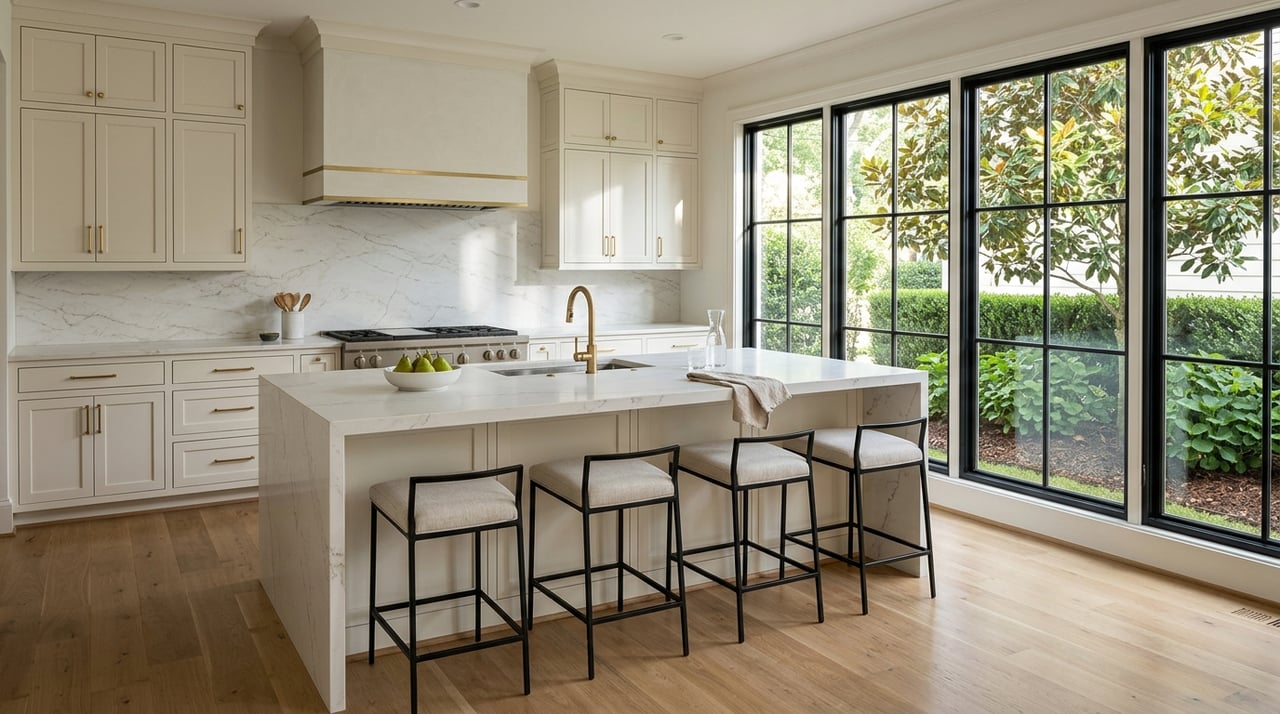
Over-modernizing can narrow your buyer pool. Covering or removing historic trim, enclosing porches, or installing mismatched finishes can work against you. On the other hand, clean, functional kitchens and baths, updated systems, and sensible energy improvements support strong marketability. Documented repairs and permitted work add confidence for buyers.
Action steps for sellers
- Order pre-listing inspections for roof, foundation, mechanicals, and pests to avoid surprises.
- Address safety and system issues first, like electrical service or active leaks.
- Restore character where it counts and document it with photos, permits, and warranties.
- If exterior changes are planned, consult the local historic commission early.
- Stage to showcase details like staircases, millwork, and archways.
Action steps for buyers
- Schedule a thorough home inspection and add specialists for slate roofing, chimneys, plaster, HVAC, and termite. Include testing for lead or asbestos when appropriate.
- Build a budget that includes system upgrades and a contingency for discovery items.
- Bring in contractors experienced with historic materials before you finalize numbers.
- Review any local historic district rules and property covenants early in due diligence.
Local rules and resources
If the home lies within a local historic district or has landmark status, exterior work like window replacement, roofing, porch changes, and fencing may require review and permits. You can verify rules and processes with the City of Charlotte’s historic district and landmarks offices and check property records and permitting with Mecklenburg County. For technical guidance or potential incentives, consult the North Carolina State Historic Preservation Office. National preservation standards and local nonprofits also offer best practices and homeowner education.
The bottom line
A Myers Park home is more than a place to live. It is a piece of Charlotte’s story. When you understand the features that matter, maintain them with care, and pair them with smart updates, you protect both your comfort and your resale value. If you are planning a purchase or sale, a thoughtful plan makes all the difference.
Ready to talk strategy for your next move in Myers Park? Connect with Ashley & Scott Sofsian for tailored guidance and a boutique, high-touch experience backed by global marketing.
FAQs
What architectural styles define Myers Park homes?
- Expect Colonial Revival, Tudor Revival, Georgian Revival, Craftsman/Bungalow, with occasional Mediterranean and French Eclectic influences that shape beloved features like millwork, archways, and slate roofs.
How long do slate roofs on Myers Park homes last?
- With proper maintenance, slate can last for many decades, often well beyond the lifespan of asphalt, but repairs require specialty roofers and attention to flashing and underlayment.
Can I replace original windows in a Myers Park historic district?
- Many districts regulate window changes, so review rules before you act; repair and weatherstripping plus storm windows often preserve character and performance better than full replacement.
What inspections should buyers order for a historic Myers Park home?
- In addition to a general inspection, add specialists for slate roofs, chimneys, plaster, HVAC, and pests, and consider testing for lead-based paint or asbestos where applicable.
Do tax credits apply to Myers Park home renovations?
- The state historic preservation office can advise on programs; many tax credits focus on income-producing properties, and options for primary residences are more limited.
Do mature trees increase upkeep in Myers Park?
- Yes, while the canopy adds value and curb appeal, you should plan for pruning, root monitoring near foundations and utilities, and diligent drainage management to prevent moisture issues.